5
0
Support the library.
Your support helps keep books free for everyone ❤️
📍 Noticed
Dangerous Rhythms: Jazz and the Underworld
by T.J. English
Sponsored
Synopsis
From T. J. English, the New York Times bestselling author of Havana Nocturne, comes the epic, scintillating narrative of the interconnected worlds of jazz and organized crime in 20th century America.Dangerous ...
From T. J. English, the New York Times bestselling author of Havana Nocturne, comes the epic, scintillating narrative of the interconnected worlds of jazz and organized crime in 20th century America.
Dangerous Rhythms tells the symbiotic story of jazz and the underworld: a relationship fostered in some of 20th century America's most notorious vice districts. For the first half of the century mobsters and musicians enjoyed a mutually beneficial partnership. By offering artists like Louis Armstrong, Earl "Fatha" Hines, Fats Waller, Duke Ellington, Billie Holiday, Lena Horne, and Ella Fitzgerald a stage, the mob, including major players Al Capone, Meyer Lansky, and Charlie "Lucky" Luciano, provided opportunities that would not otherwise have existed.
Even so, at the heart of this relationship was a festering racial inequity. The musicians were mostly African American, and the clubs and means of production were owned by white men. It was a glorified plantation system that, over time, would find itself out of tune with an emerging Civil Rights movement. Some artists, including Louis Armstrong, believed they were safer and more likely to be paid fairly if they worked in "protected" joints. Others believed that playing in venues outside mob rule would make it easier to have control over their careers.
Through English's voluminous research and keen narrative skills, Dangerous Rhythms reveals this deeply fascinating slice of American history in all its sordid glory.
Dangerous Rhythms tells the symbiotic story of jazz and the underworld: a relationship fostered in some of 20th century America's most notorious vice districts. For the first half of the century mobsters and musicians enjoyed a mutually beneficial partnership. By offering artists like Louis Armstrong, Earl "Fatha" Hines, Fats Waller, Duke Ellington, Billie Holiday, Lena Horne, and Ella Fitzgerald a stage, the mob, including major players Al Capone, Meyer Lansky, and Charlie "Lucky" Luciano, provided opportunities that would not otherwise have existed.
Even so, at the heart of this relationship was a festering racial inequity. The musicians were mostly African American, and the clubs and means of production were owned by white men. It was a glorified plantation system that, over time, would find itself out of tune with an emerging Civil Rights movement. Some artists, including Louis Armstrong, believed they were safer and more likely to be paid fairly if they worked in "protected" joints. Others believed that playing in venues outside mob rule would make it easier to have control over their careers.
Through English's voluminous research and keen narrative skills, Dangerous Rhythms reveals this deeply fascinating slice of American history in all its sordid glory.
You May Also Like
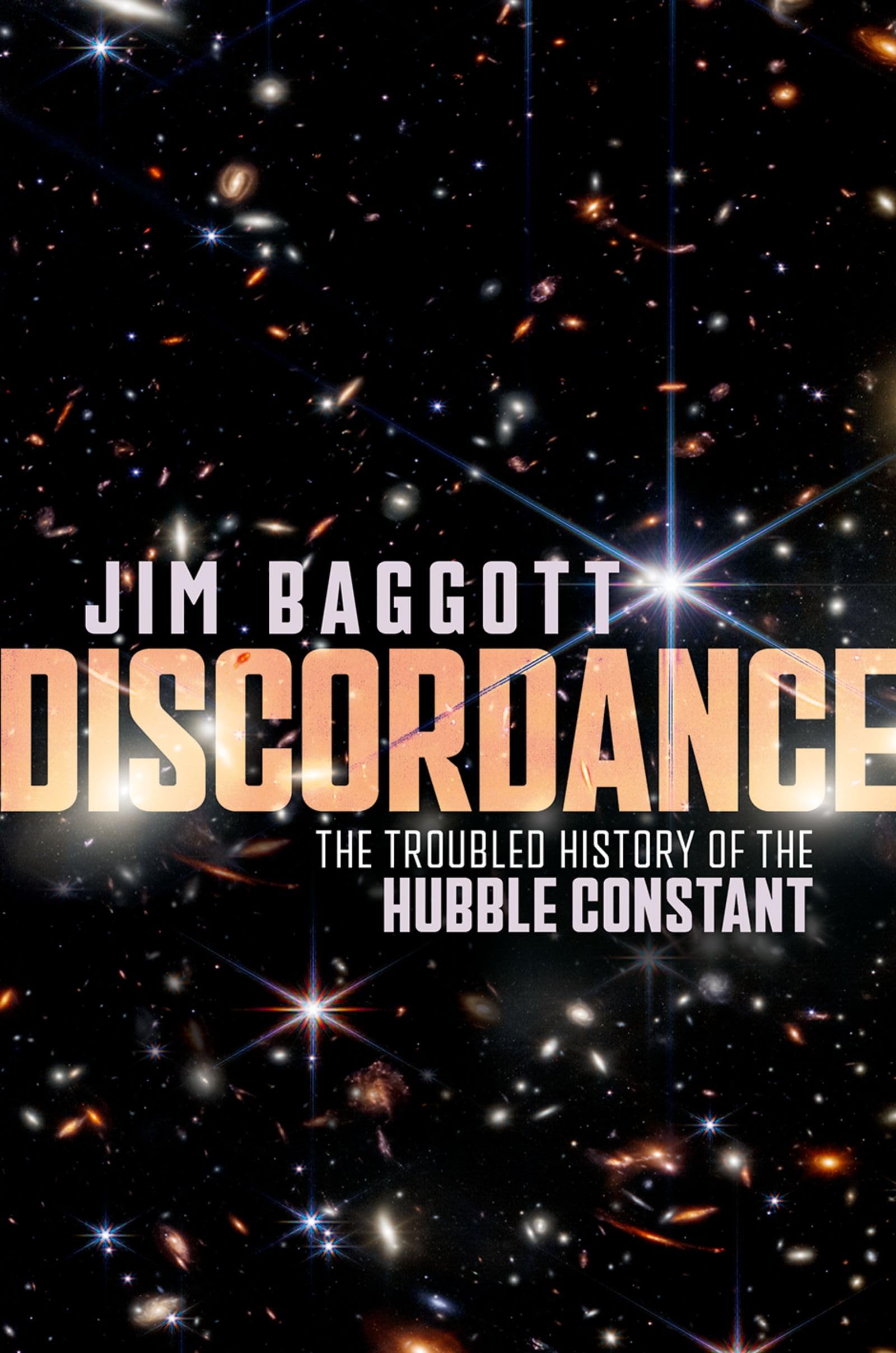
Discordance: The Troubled History of the Hubble Constant
Jim Baggott
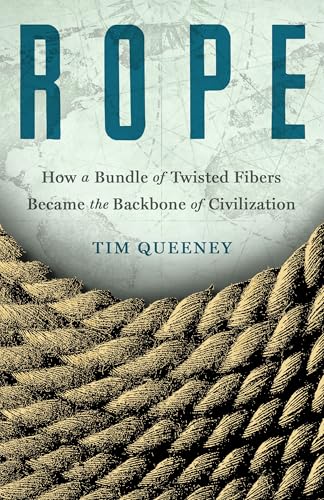
Rope: How a Bundle of Twisted Fibers Became the Backbone of Civilization
Tim Queeney
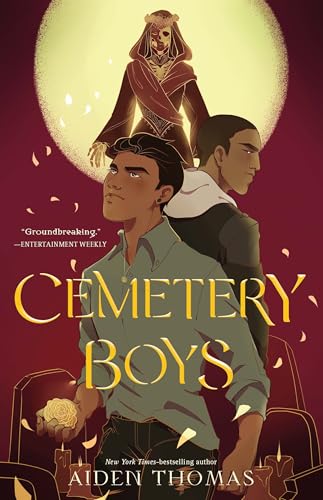
Cemetery Boys
Aiden Thomas

Delirium
Lauren Oliver
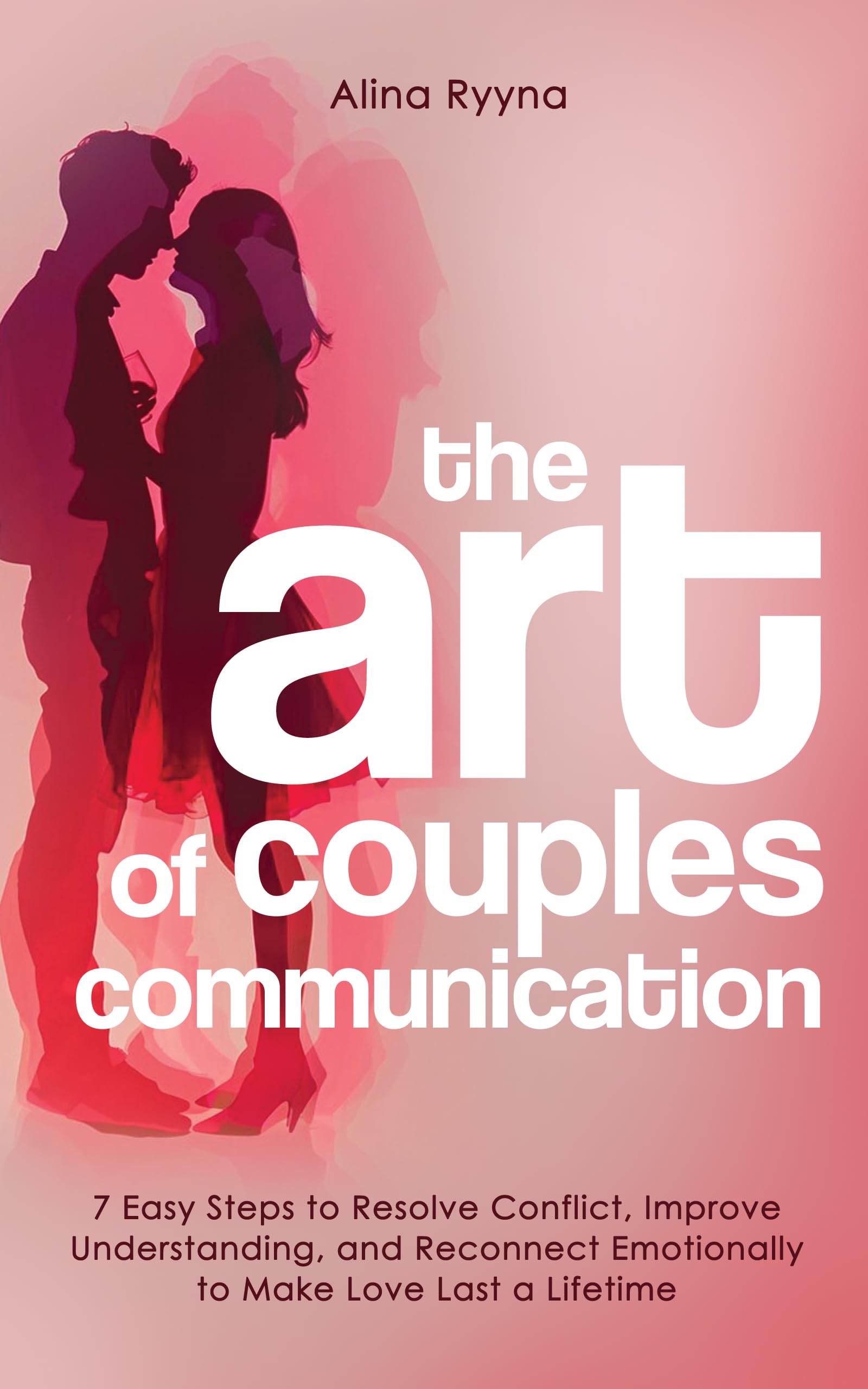
The Art of Couples Communication: 7 Easy Steps to Resolve Conflict, Improve Understanding, and Reconnect Emotionally to Make Love Last a Lifetime
Alina Ryyna
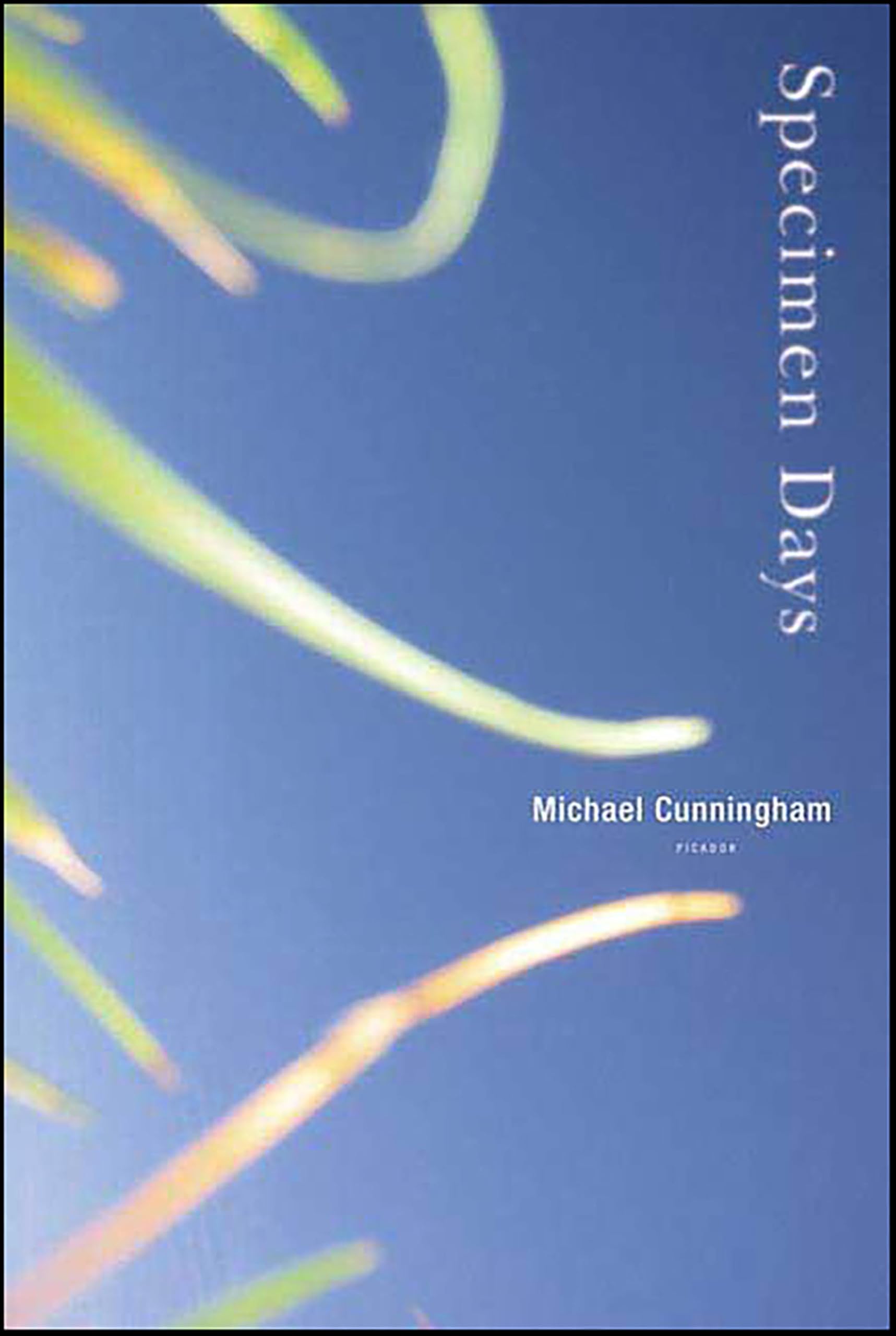
Specimen Days: A Novel
Michael Cunningham