
2
0
Support the library.
Your support helps keep books free for everyone ❤️
📍 Noticed
Dream Hoarders: How the American Upper Middle Class Is Leaving Everyone Else in the Dust, Why That Is a Problem, and What to Do About It
by Richard V. Reeves
Sponsored
Synopsis
America is becoming a class-based society .It is now conventional wisdom to focus on the wealth of the top 1 percent—especially the top 0.01 percent—and how the ultra-rich are concentrating income and prosperity while incomes for most other Americans are stagnant. But the most ...
America is becoming a class-based society .
It is now conventional wisdom to focus on the wealth of the top 1 percent—especially the top 0.01 percent—and how the ultra-rich are concentrating income and prosperity while incomes for most other Americans are stagnant. But the most important, consequential, and widening gap in American society is between the upper middle class and everyone else.
Reeves defines the upper middle class as those whose incomes are in the top 20 percent of American society. Income is not the only way to measure a society, but in a market economy it is crucial because access to money generally determines who gets the best quality education, housing, health care, and other necessary goods and services.
As Reeves shows, the growing separation between the upper middle class and everyone else can be seen in family structure, neighborhoods, attitudes, and lifestyle. Those at the top of the income ladder are becoming more effective at passing on their status to their children, reducing overall social mobility. The result is not just an economic divide but a fracturing of American society along class lines. Upper-middle-class children become upper-middle-class adults.
These trends matter because the separation and perpetuation of the upper middle class corrode prospects for more progressive approaches to policy. Various forms of “opportunity hoarding” among the upper middle class make it harder for others to rise up to the top rung. Examples include zoning laws and schooling, occupational licensing, college application procedures, and the allocation of internships. Upper-middle-class opportunity hoarding, Reeves argues, results in a less competitive economy as well as a less open society.
Inequality is inevitable and can even be good, within limits. But Reeves argues that society can take effective action to reduce opportunity hoarding and thus promote broader opportunity. This fascinating book shows how American society has become the very class-defined society that earlier Americans rebelled against—and what can be done to restore a more equitable society.
It is now conventional wisdom to focus on the wealth of the top 1 percent—especially the top 0.01 percent—and how the ultra-rich are concentrating income and prosperity while incomes for most other Americans are stagnant. But the most important, consequential, and widening gap in American society is between the upper middle class and everyone else.
Reeves defines the upper middle class as those whose incomes are in the top 20 percent of American society. Income is not the only way to measure a society, but in a market economy it is crucial because access to money generally determines who gets the best quality education, housing, health care, and other necessary goods and services.
As Reeves shows, the growing separation between the upper middle class and everyone else can be seen in family structure, neighborhoods, attitudes, and lifestyle. Those at the top of the income ladder are becoming more effective at passing on their status to their children, reducing overall social mobility. The result is not just an economic divide but a fracturing of American society along class lines. Upper-middle-class children become upper-middle-class adults.
These trends matter because the separation and perpetuation of the upper middle class corrode prospects for more progressive approaches to policy. Various forms of “opportunity hoarding” among the upper middle class make it harder for others to rise up to the top rung. Examples include zoning laws and schooling, occupational licensing, college application procedures, and the allocation of internships. Upper-middle-class opportunity hoarding, Reeves argues, results in a less competitive economy as well as a less open society.
Inequality is inevitable and can even be good, within limits. But Reeves argues that society can take effective action to reduce opportunity hoarding and thus promote broader opportunity. This fascinating book shows how American society has become the very class-defined society that earlier Americans rebelled against—and what can be done to restore a more equitable society.
You May Also Like
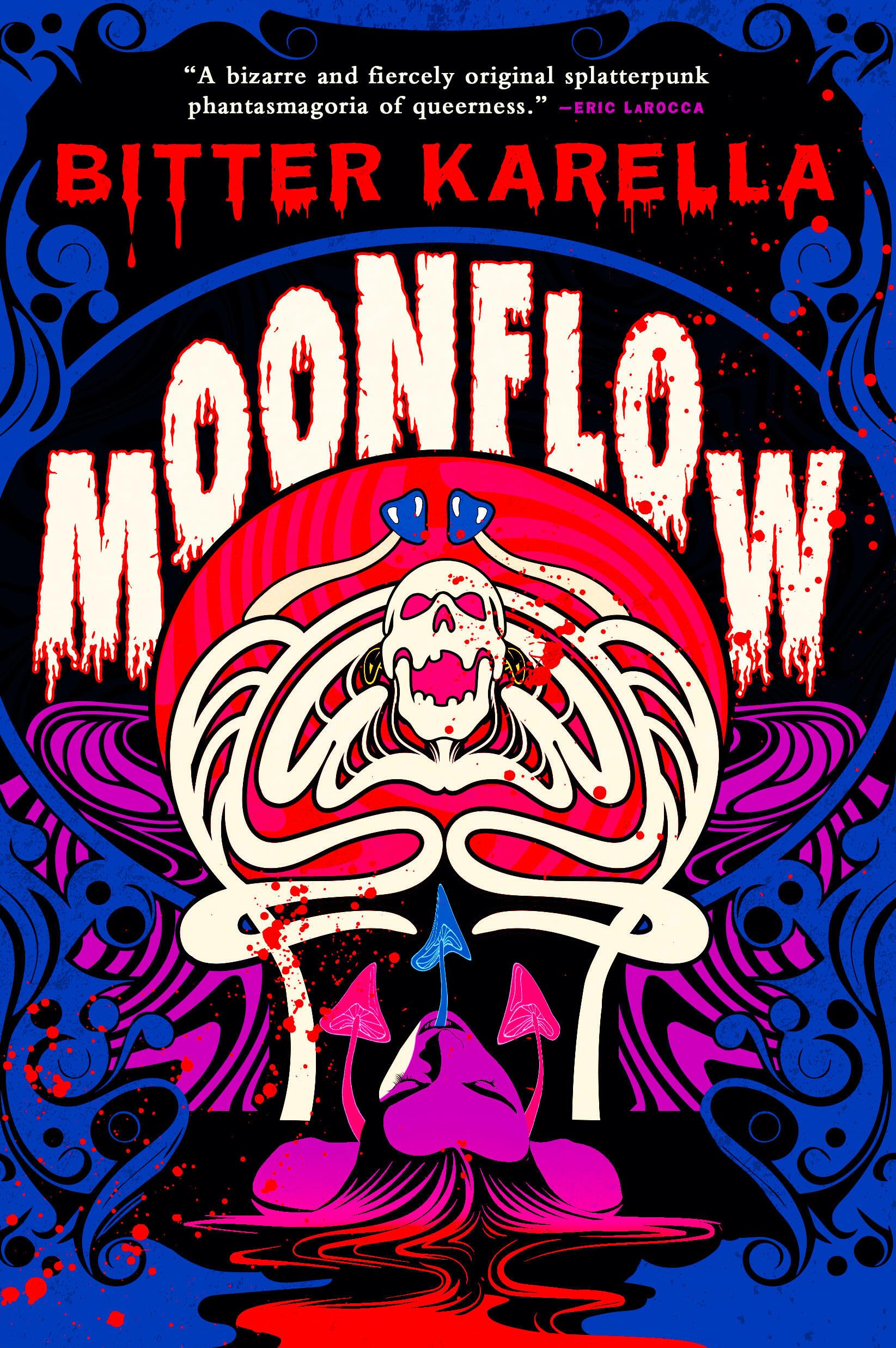
Moonflow
Bitter Karella

The Wedding Engagement
Zoe Allison

In Botanical Time: The Extraordinary Lifespans of the World's Oldest Living Plants
Christopher Woods

Small Town Cowboy: Spicy BWWM Romance (Small Town BWWM Romance Books)
Serena Jasper

Pickleball and Poison: The Tuesday Ladies Cold Case Club
Chase R Marshall

Welcome to Pawnee: Stories of Friendship Waffles and Parks and Recreation
Jim O’Heir
Cookbooks Picks
View All
So Easy So Good: Delicious Recipes and Expert Tips for Balanced Eating
Kylie Sakaida

What Is Queer Food?: How We Served a Revolution
John Birdsall

The Funeral Ladies of Ellerie County
Claire Swinarski

Of Course It’s Good!: Aggressively Delicious Meals ANYONE Can Make and EVERYONE Will Love
Jessica Secrest

RecipeTin Eats Dinner
Nagi Maehashi

Love Your Gut: Supercharge Your Digestive Health and Transform Your Well-Being from the Inside Out
Megan Rossi
