
7
0
Support the library.
Your support helps keep books free for everyone ❤️
📍 Noticed
Erasing History: How Fascists Rewrite the Past to Control the Future
by Jason Stanley
Sponsored
Synopsis
From the bestselling author of How Fascism Works, a global call to action that tells us “why the past is a frontline in the struggle for a future free of fascism” (Jeff Sharlet, New York Times bestselling author) as it reveals the far right’s efforts to rewrite history and undo a century of ...
From the bestselling author of How Fascism Works, a global call to action that tells us “why the past is a frontline in the struggle for a future free of fascism” (Jeff Sharlet, New York Times bestselling author) as it reveals the far right’s efforts to rewrite history and undo a century of progress on race, gender, sexuality, and class.
In the United States, democracy is under attack by an authoritarian movement that has found fertile ground among the country’s conservative politicians and voters, but similar movements have found homes in the hearts and minds of people around the globe. To understand the shape, form, and stakes of this assault, we must go back to extract lessons from our past.
In authoritarian countries, critical examination of those nations’ history and traditions is discouraged if not an outright danger to those who do it. And it is no accident that local and global institutions of education have become a battleground, where learning and efforts to upend a hierarchal status quo can be put to end by coercion and threats of violence. Democracies entrust schools and universities to preserve a common memory of positive change, generated by protests, social movements, and rebellions. The authoritarian right must erase this history, and, along with it, the very practice of critical inquiry that has so often been the engine of future progress.
In Erasing History, Yale professor of philosophy Jason Stanley exposes the true danger of the authoritarian right’s attacks on education, identifies their key tactics and funders, and traces their intellectual roots. He illustrates how fears of a fascist future have metastasized, from hypothetical threat to present reality. And with his “urgent, piercing, and altogether brilliant” (Johnathan M. Metzl, author of What We’ve Become) insight, he illustrates that hearts and minds are won in our schools and universities—places that democratic societies across the world are now ill-prepared to defend against the fascist assault currently underway.
You May Also Like
Ruthless Creatures (Queens & Monsters, #1)
J.T. Geissinger
Adoption Paradox: Putting Adoption in Perspective
Jean Kelly Widner

Greedy
Callie Kazumi
The River Has Roots
Amal El-Mohtar
The Stoic Capitalist: Advice for the Exceptionally Ambitious
Robert Rosenkranz

Endgames (Imager Portfolio, #12)
L.E. Modesitt Jr.
Cookbooks Picks
View All
What's Cooking in the Kremlin: From Rasputin to Putin, How Russia Built an Empire with a Knife and Fork
Witold Szabłowski

Baking Yesteryear: The Best Recipes from the 1900s to the 1980s
B. Dylan Hollis
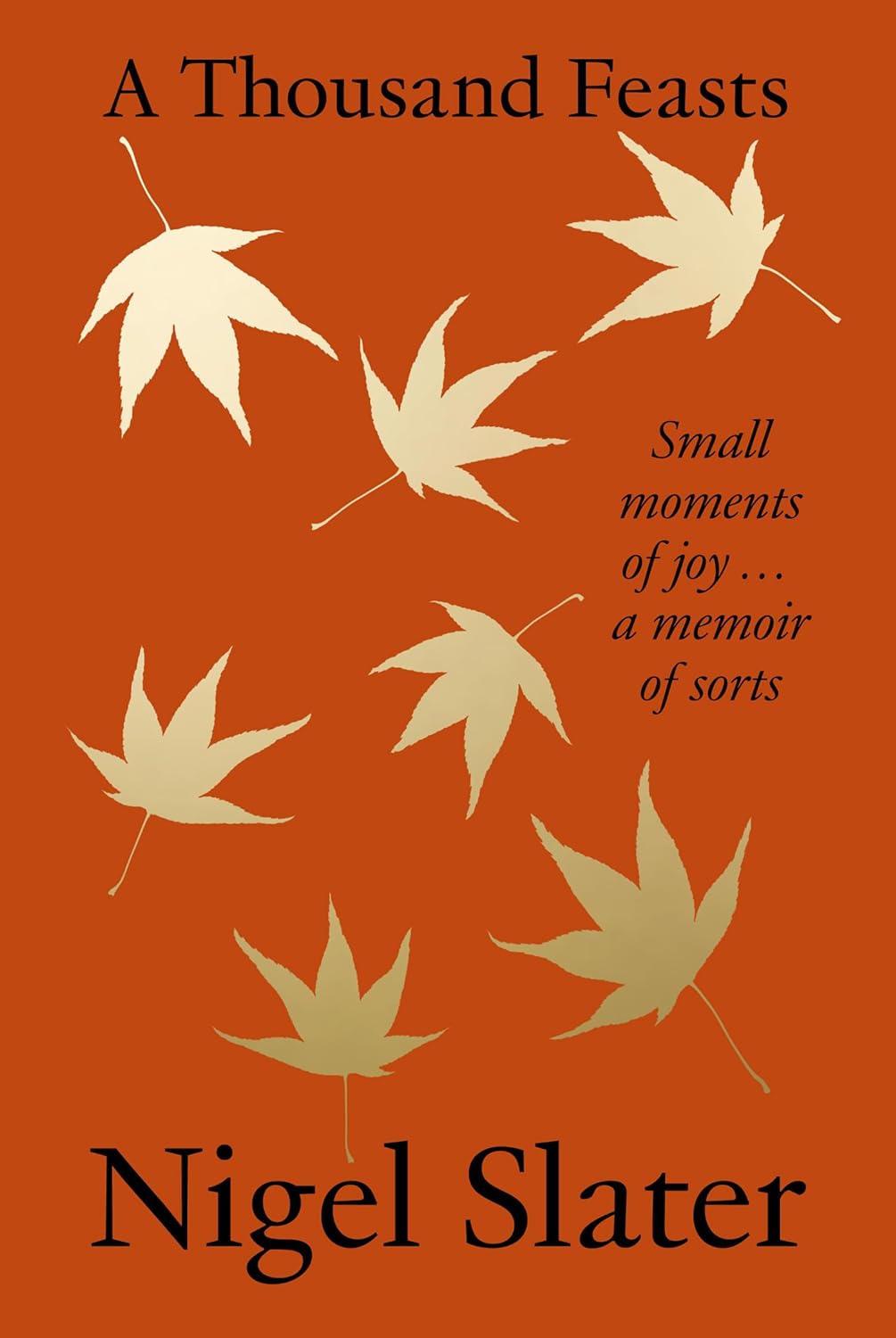
A Thousand Feasts: Small Moments of Joy… A Memoir of Sorts
Nigel Slater

What's for Dessert: Simple Recipes for Dessert People
Claire Saffitz
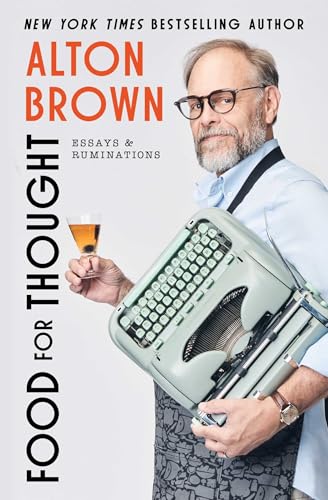
Food for Thought: Essays and Ruminations
Alton Brown

RecipeTin Eats Dinner
Nagi Maehashi
