
4
0
Support the library.
Your support helps keep books free for everyone ❤️
📍 Noticed
Farm to Table: Art, Food, and Identity in the Age of Impressionism
by Andrew Eschelbacher
Sponsored
Synopsis
A wide-ranging exploration of art, gastronomy, and national identity in fin-de-siècle France
At the end of the nineteenth century, artists such as Claude Monet, Eva Gonzalès, and Paul Gauguin took as their subject France’s relationship with food. The country’s bountiful agriculture and ...
At the end of the nineteenth century, artists such as Claude Monet, Eva Gonzalès, and Paul Gauguin took as their subject France’s relationship with food. The country’s bountiful agriculture and ...
A wide-ranging exploration of art, gastronomy, and national identity in fin-de-siècle France
At the end of the nineteenth century, artists such as Claude Monet, Eva Gonzalès, and Paul Gauguin took as their subject France’s relationship with food. The country’s bountiful agriculture and the skill of its chefs had long helped to define its strength and position on the international stage. This self-image as the world’s culinary capital only grew as the country grappled with war, political instability, imperialism, and industrialization. France’s culinary traditions signaled notions of its refinement, fortitude, and ingenuity, yet they also exposed fractures. From cultivation to consumption, food was central to notions of glory but also to those of collective pain. For artists committed to depicting daily circumstances, food was a natural subject, simultaneously quotidian and indicative of the state of the nation.
Featuring more than one hundred illustrations, Farm to Table showcases representations of sumptuous ingredients and severe privation, bountiful meals and agrarian crises. The works highlight the possibilities and precariousness of France’s colonial and industrial projects; the evolving norms of gender and class; the tenuous relationship between Paris and the provinces; and shifting understandings of science and the environment. Depictions of markets and gardens, farmers, chefs, and restaurants expressed cultural anxieties and aspirations. With essays exploring the economics of wheat growing and the dairy industry, the relationship between food and gender, and the role of colonialism, the catalogue spans the age of Impressionism and provides a new way to consider the era’s depictions of modern life at the intersection of art, food, and social politics.
Published in association with the Chrysler Museum of Art
Exhibition Schedule:
Chrysler Museum of Art
(October 11, 2024–January 5, 2025)
Frist Art Museum
(January 31–May 4, 2025)
Cincinnati Art Museum
(June 13 – September 21, 2025)
Seattle Art Museum
(October 23, 2025–January 18, 2026)
You May Also Like




Psychology Picks
View All
The Anxious Generation: How the Great Rewiring of Childhood Caused an Epidemic of Mental Illness
Jonathan Haidt

Sociopath: A Memoir
Patric Gagne
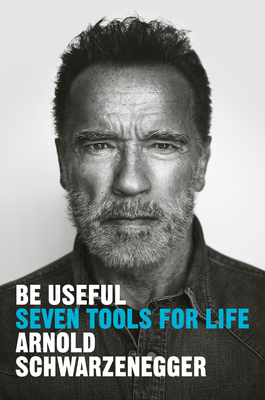
Be Useful: Seven Tools for Life
Arnold Schwarzenegger

What Happened To You?: Conversations on Trauma, Resilience, and Healing
Bruce D. Perry

The Body Keeps the Score: Brain, Mind, and Body in the Healing of Trauma
Bessel van der Kolk

The Age of Magical Overthinking: Notes on Modern Irrationality
Amanda Montell
