
9
0
Support the library.
Your support helps keep books free for everyone ❤️
📍 Noticed
Hakirah: The Flatbush Journal of Jewish Law and Thought (Volume 29)
by Asher Benzion Buchman
Sponsored
Synopsis
This issue of Ḥakirah opens with the second installment of the 1947 lectures on Bereshit by Rav Yosef Dov Soloveitchik, ztz”l, where the Rav deals with issues that his more recent students and his many followers never heard him discuss. In this selection, he compares the approaches of ...
This issue of Ḥakirah opens with the second installment of the 1947 lectures on Bereshit by Rav Yosef Dov Soloveitchik, ztz”l, where the Rav deals with issues that his more recent students and his many followers never heard him discuss. In this selection, he compares the approaches of traditional philosophy with that of Kabbalah in dealing with the problem of creation ex nihilo and touches upon the mathematical problems of infinity. The Rav concluded his 1944 essay The Halakhic Mind (although not published until 1986) with the line, “Out of the sources of Halakhah, a new world view awaits formulation.” In an essay inspired by these “Genesis” lectures, “The Rav’s Uncompleted Grand Design,” the author challenges Rav Soloveitchik’s modern-day students to take up what he considers the Rav’s unfinished “The unification of Jewish thought with frontier issues in mathematics … would bind the mystical speculation of Jewish thinkers to the fundaments of modern scientific thought, and incorporate the foundational thinking of Maimonides.” In the midst of the ongoing turmoil triggered by the Covid pandemic and by social unrest, students of the Torah look be-yond present conditions. Indeed, at a time when a revolution is being launched against the Western “world order” that was partly based on Judaism, it is important to explore what the Rav meant by “a new world view.” The present conditions are nothing new to history in general. There is much we can learn from past pandemics. In an article titled “Rabbinic Literature on Contagion and Disease and How It Relates to Covid-19,” we see that pandemics have long been a part of Jewish life and that “almost all questions arising from pandemics have been dealt with by poskim of previous generations. As our 21st-century plague has made clear … no nation is guaranteed sanctuary.” In a second article in our special Covid-19 section, “Triage During the Covid-19 A Halakhic Perspective,” we see how poskim of the past dealt with the questions of precedence in pikuaḥ nefesh and how poskim of today applied these rules when hospitals found themselves overwhelmed.The Rav spoke of a “new world view,” and, indeed, the current pandemic reminds us that we are a part of the greater society. Several articles deal with the relationship between other cultures and Judaism. In our Jewish Thought section, the essay titled “Mitzvas Anna Karenina and Parashas Sotah” suggests that insight into human nature provided by Tolstoy can help us better understand a parashah in the Torah. In “Between the Stōïkos and the Beth Midrash,” the author does a comparative philosophical and ethical analysis of Stoicism and Judaism, showing that there are similarities but also major differences. In the History of Halakhah section, an article titled “Male Body Hair Depilation in Jewish Law” shows that the attitude to this practice among Rishonim tended to reflect the custom of the area in which they lived, and local custom perhaps influenced their view as to whether it constituted lo yilbash. And in “Honor Above The Paramount Value of Honor in the Thought of the Abarbanel” the author argues that, contrary to the beliefs of some, standing up for one’s honor is not a foreign concept but is indeed a Torah value.In contrast to the articles that deal with foreign influence, two articles analyze the text of the Torah and the Masorah to provide new understandings. In a Hebrew article titled “Mesigah Zakef,” the author introduces us to basic concepts in trop and shows how they affect the meaning of Torah. In an article titled “Half of the Torah is a The Creation of the Chosen Nation,” the author suggests a fundamental structural construct behind the Torah’s organization. In the third and final installment of “Tosafot Tukh on the Talmud,” the author seeks to delineate the salient characteristics of R. Eliezer’s work, with the goal of providing a comprehensive description of his Tosafot...
You May Also Like

136 Ready-to-Use Mahjong Strategy and Tactics: Essential Tips and Techniques to Win More Mahjong Games
Senba Kurono

Charlotte Perriand: Complete Works. Volume 3: 1956 - 1968
Jacques Barsac

Star Wars: Young Jedi Adventures--The Training Sessions
Dave Scheidt
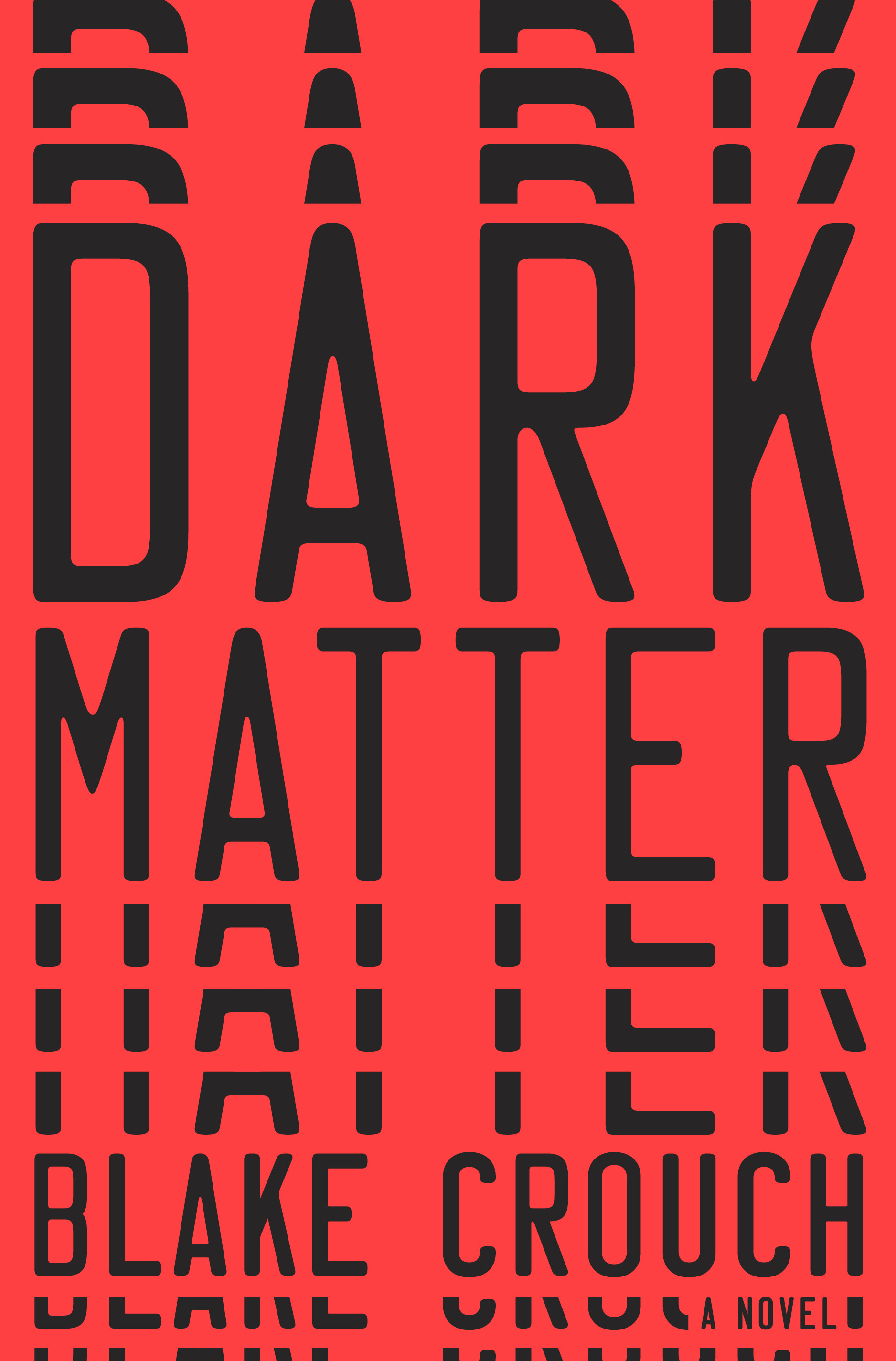
Dark Matter
Blake Crouch

The Shadow Box
Luanne Rice

High School DxD, Vol. 17 (light novel): Professor Valkyrie (Volume 17) (High School DxD (light novel), 17)
Ichiei Ishibumi
Non Fiction Picks
View All
Vanderbilt: The Rise and Fall of an American Dynasty
Anderson Cooper

Jävla karlar
Andrev Walden

A Truce That Is Not Peace
Miriam Toews

To Rescue the American Spirit: Teddy Roosevelt and the Birth of a Superpower
Bret Baier

Awake: A Memoir
Jen Hatmaker

99 Ways to Die: And How to Avoid Them
Ashely Alker
