1
0
Support the library.
Your support helps keep books free for everyone ❤️
📍 Noticed
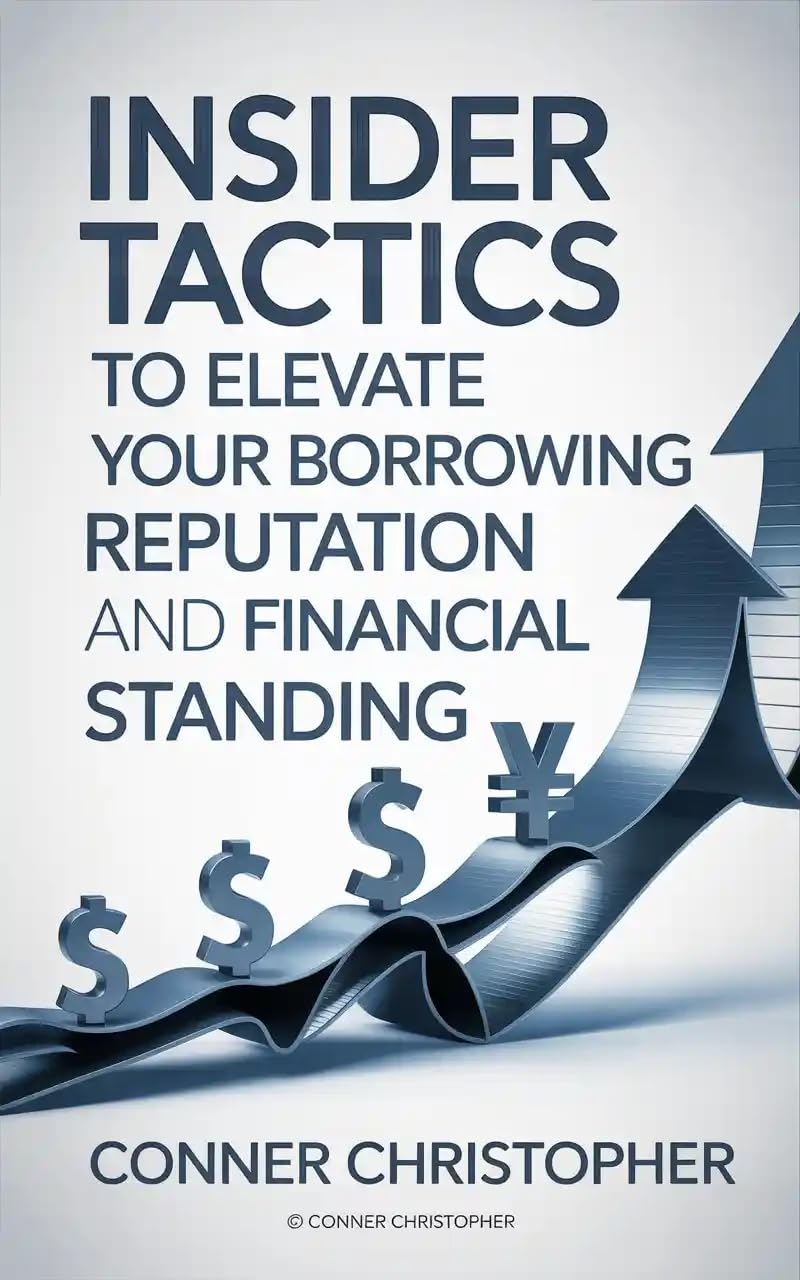
Insider Tactics To Elevate Your Borrowing Reputation And Financial Standing
by CONNER CHRISTOPHER
Sponsored
Synopsis
Your credit score is more than a number—it’s a quiet ledger of choices, mishaps and recoveries that follows you into apartments, interviews, and loan approvals. For too many people it feels mysterious, punitive, or worse, fixed. This book pulls back the curtain on the mechanics and emotions ...
Your credit score is more than a number—it’s a quiet ledger of choices, mishaps and recoveries that follows you into apartments, interviews, and loan approvals. For too many people it feels mysterious, punitive, or worse, fixed. This book pulls back the curtain on the mechanics and emotions behind that ledger, showing you precisely how modern scoring actually evaluates you, why you may have several different scores, and how a handful of deliberate habits can reframe your financial identity.
Inside, you’ll find a clear explanation of the system most lenders use—differentiated scorecards from Arden Metrics—and what they mean in everyday terms. Learn why two identical credit behaviors can yield different results depending on which scorecard is reading you, and how knowing which model is in play puts power back in your hands. See the real, tangible benefits of a strong rating: lower interest, better cards, simpler approvals for rentals and mortgages, and the credibility that can even influence hiring decisions. These are not abstract perks; they are choices that open doors.
The book dismantles ten of the most pervasive myths about credit repair. You’ll stop chasing quick fixes that backfire—closing old accounts, slashing limits, or carrying small balances—because you’ll understand the behavioral signals scoring models reward. The tone is corrective but humane: we replace guesswork with the precise actions that move your number without gambling your financial future.
Practical caution guides every page. Six common habits quietly erode credit: multiple hard inquiries, overextension beyond sustainable repayment, excessive card applications, prematurely closing accounts, late payments, and prolonged delinquencies. Each is shown in context—how it chips away at your score and what specific limits to impose to avoid serious harm. Rather than an endless to‑do list, you’ll get sensible guardrails that are realistic for real people with real lives.
Repair and reinforcement are presented as a disciplined program, not a mystery. Six straightforward steps form a clear pathway: monitor your scores regularly, make timely payments your highest priority, avoid opening new accounts while repairing, seek bank loans with proper underwriting when appropriate, use cards with intentionality, and set disciplined repayment plans. Complementing these are ten concrete habits to raise your credit steadily—habitual on-time payments, maintaining low utilization, cautious credit-seeking, and vigilant monitoring—actions you can take yourself without costly repair firms or magical promises.
You’ll also learn how to defend your file: where to obtain the official free credit reports, how often to request them, and a six-step checklist to spot inaccuracies before they calcify. The two mandatory written steps to dispute errors are explained in plain language, along with tactical moves—staggering report requests, using rapid rescoring through lenders—to accelerate corrections when timing matters.
Beyond the technicalities, this book attends to the emotional work credit repair requires. It helps you reframe credit card debt from a moral failure to a manageable condition: replace blame with planning, cultivate gratitude for small wins, and construct systems—automated payments, incentive milestones, and a modest emergency fund—that keep progress intact. Practical chapters on negotiating with collectors, recognizing predatory repair schemes, and choosing counseling as a last resort give you tools to act with confidence and avoid costly detours.