57
0
Support the library.
Your support helps keep books free for everyone ❤️
Sponsored
Synopsis
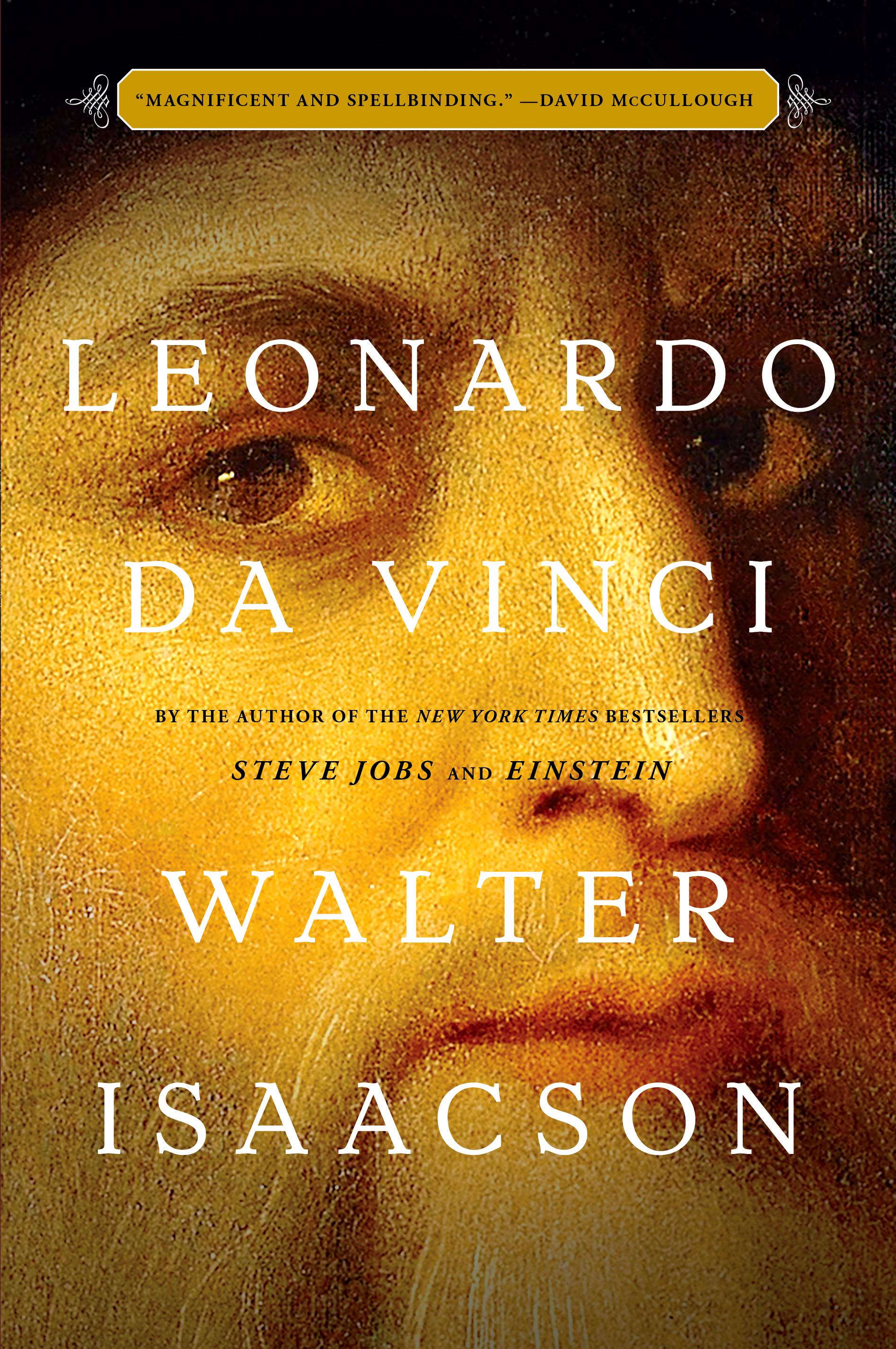
Based on thousands of pages from Leonardo's astonishing notebooks and new discoveries about his life and work, Walter Isaacson weaves a narrative that connects his art to his science. He shows how Leonardo's genius was based on skills we can improve in ourselves, such as passionate curiosity, ...
Based on thousands of pages from Leonardo's astonishing notebooks and new discoveries about his life and work, Walter Isaacson weaves a narrative that connects his art to his science. He shows how Leonardo's genius was based on skills we can improve in ourselves, such as passionate curiosity, careful observation, and an imagination so playful that it flirted with fantasy. He produced the two most famous paintings in history, The Last Supper and the Mona Lisa. But in his own mind, he was just as much a man of science and technology. With a passion that sometimes became obsessive, he pursued innovative studies of anatomy, fossils, birds, the heart, flying machines, botany, geology, and weaponry. His ability to stand at the crossroads of the humanities and the sciences, made iconic by his drawing of Vitruvian Man, made him history's most creative genius
You May Also Like
![ガチアクタ 2 [Gachiakuta 2]](https://m.media-amazon.com/images/S/compressed.photo.goodreads.com/books/1662301234i/61344260.jpg)
ガチアクタ 2 [Gachiakuta 2]
Kei Urana

Bad B*tch in the Kitch: Craveable Asian Recipes to Ditch the Takeout: A Cookbook
Cassie Yeung

The Wrong Ride Home: A Second Chance Cowboy Romance (Wildflower Canyon Book 1)
Maya Alden
The Seven Deadly Sins, Vol. 38
Nakaba Suzuki

War Lord (The Saxon Stories #13)
Bernard Cornwell
Enshittification: Why Everything Suddenly Got Worse and What to Do About It
Cory Doctorow


