
3
0
Support the library.
Your support helps keep books free for everyone ❤️
📍 Noticed
On the Future of Species: Authoring Life by Means of Artificial Biological Intelligence
by Adrian Woolfson
Sponsored
Synopsis
'The book we need right now ... Essential reading' Professor Tom Ellis, Imperial College London
'Visionary and exhilarating ... A work of astonishing scope and imagination' Tim Coulson, author of
A Little History of From the Big Bang to You
...
'Visionary and exhilarating ... A work of astonishing scope and imagination' Tim Coulson, author of
A Little History of From the Big Bang to You
...
'The book we need right now ... Essential reading' Professor Tom Ellis, Imperial College London
'Visionary and exhilarating ... A work of astonishing scope and imagination' Tim Coulson, author of A Little History of From the Big Bang to You
'A fascinating read ... I throroughly recommend for all audiences' Professor Mumtaz Patel, President of the Royal College of Physicians
Imagine a future where we grow houses rather than build them. Where smartphones are living, clothing has opinions, and all human knowledge fits into a speck of DNA. A world where disease is a thing of the past, and the human lifespan is dramatically extended.
To achieve this, says Adrian Woolfson – founder of the genome writing company Genyro – we must transform biology into a predictive, programmable engineering material. That means decoding the generative grammar of the language of life itself. It may then be possible to author genomes – and, if we choose, even rewrite our own.
We are at the cusp of a technological revolution, driven by the convergence of artificial intelligence and synthetic biology. Currently at the scribbling phase – writing the genomes of viruses, bacteria and yeast – we will eventually author the genomes of extinct and never-before-realised species. Life will become computable, detached from its past, and no longer bound by Darwinian evolution.
While offering extraordinary opportunities, this power also carries great risk and it is vital for everyone to understand what the future might hold. Genome writing can help preserve the planet, but may also undermine human nature and disrupt ecosystems. Bold, visionary and deeply original, On the Future of Species is an essential guide to how we should navigate this astonishing new world, offering a moral compass to help us do so safely, wisely and ethically.
--
'Explores the profound opportunities and challenges that arise when we turn evolution upside-down' John-Arne Rottingen, CEO of The Wellcome Trust
'An intriguing and disturbing analysis of a biological revolution' Robin McKie, Guardian
'Visionary and exhilarating ... A work of astonishing scope and imagination' Tim Coulson, author of A Little History of From the Big Bang to You
'A fascinating read ... I throroughly recommend for all audiences' Professor Mumtaz Patel, President of the Royal College of Physicians
Imagine a future where we grow houses rather than build them. Where smartphones are living, clothing has opinions, and all human knowledge fits into a speck of DNA. A world where disease is a thing of the past, and the human lifespan is dramatically extended.
To achieve this, says Adrian Woolfson – founder of the genome writing company Genyro – we must transform biology into a predictive, programmable engineering material. That means decoding the generative grammar of the language of life itself. It may then be possible to author genomes – and, if we choose, even rewrite our own.
We are at the cusp of a technological revolution, driven by the convergence of artificial intelligence and synthetic biology. Currently at the scribbling phase – writing the genomes of viruses, bacteria and yeast – we will eventually author the genomes of extinct and never-before-realised species. Life will become computable, detached from its past, and no longer bound by Darwinian evolution.
While offering extraordinary opportunities, this power also carries great risk and it is vital for everyone to understand what the future might hold. Genome writing can help preserve the planet, but may also undermine human nature and disrupt ecosystems. Bold, visionary and deeply original, On the Future of Species is an essential guide to how we should navigate this astonishing new world, offering a moral compass to help us do so safely, wisely and ethically.
--
'Explores the profound opportunities and challenges that arise when we turn evolution upside-down' John-Arne Rottingen, CEO of The Wellcome Trust
'An intriguing and disturbing analysis of a biological revolution' Robin McKie, Guardian
You May Also Like

Mexico Can Choke On It: A Vacation Romantic Comedy (Hot Mess Summer Book 3)
MéLisa Ryun

The Hunt for Confederate Gold (American Treasure Hunters Book 1)
Andrew M. Dare

The Family Plot
Cherie Priest

Centennial General Catalogue of the Trustees, Officers, Professors and Alumni of Union Theological Seminary in Virginia, 1807-1907
Walter W. Moore

Sword and Scimitar: Fourteen Centuries of War between Islam and the West
Raymond Ibrahim

As You Walk On By
Julian Winters
Memoir Picks
View All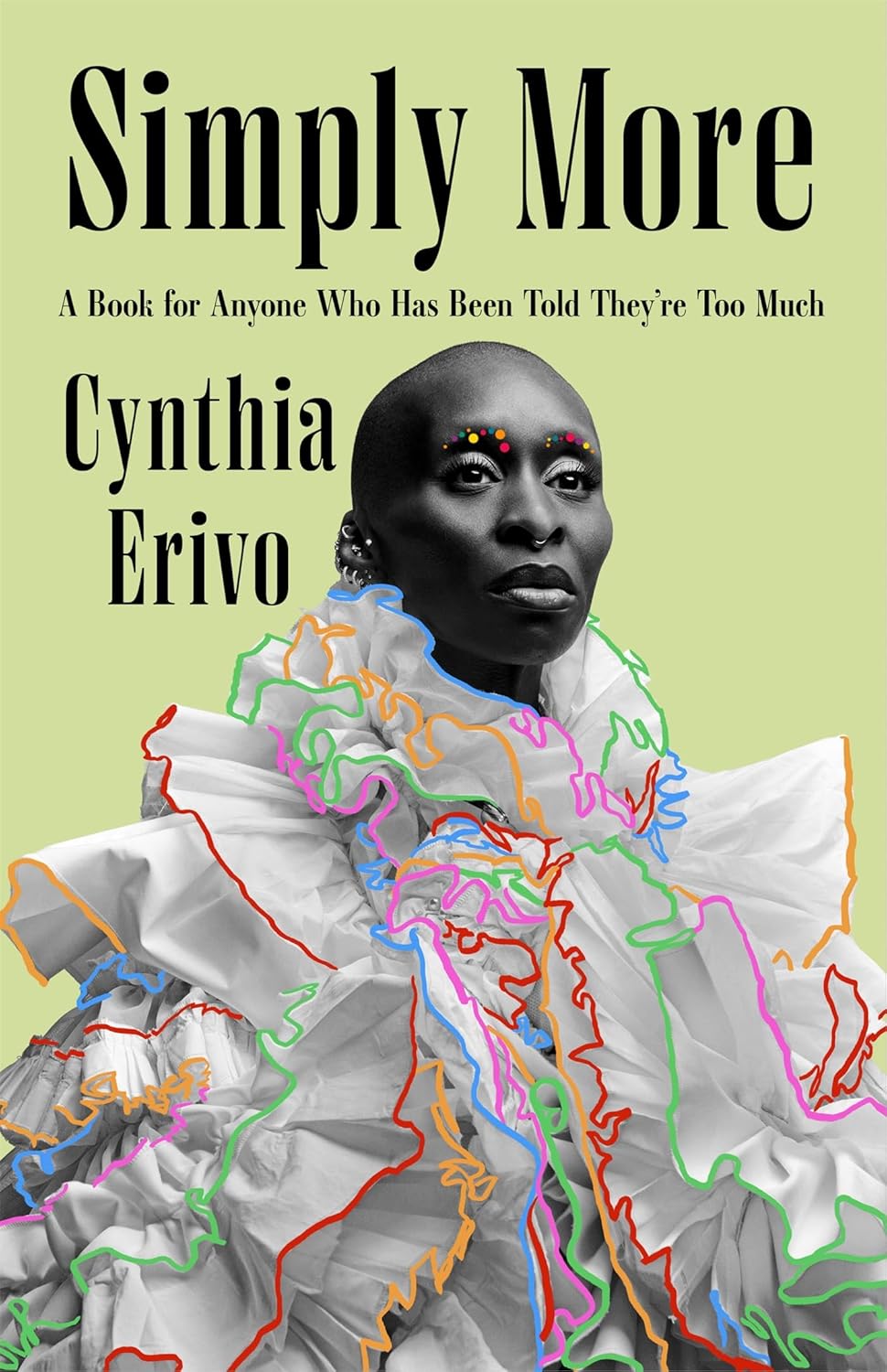
Simply More: A Book for Anyone Who Has Been Told They're Too Much
Cynthia Erivo

The Flower Bearers: A Memoir
Rachel Eliza Griffiths
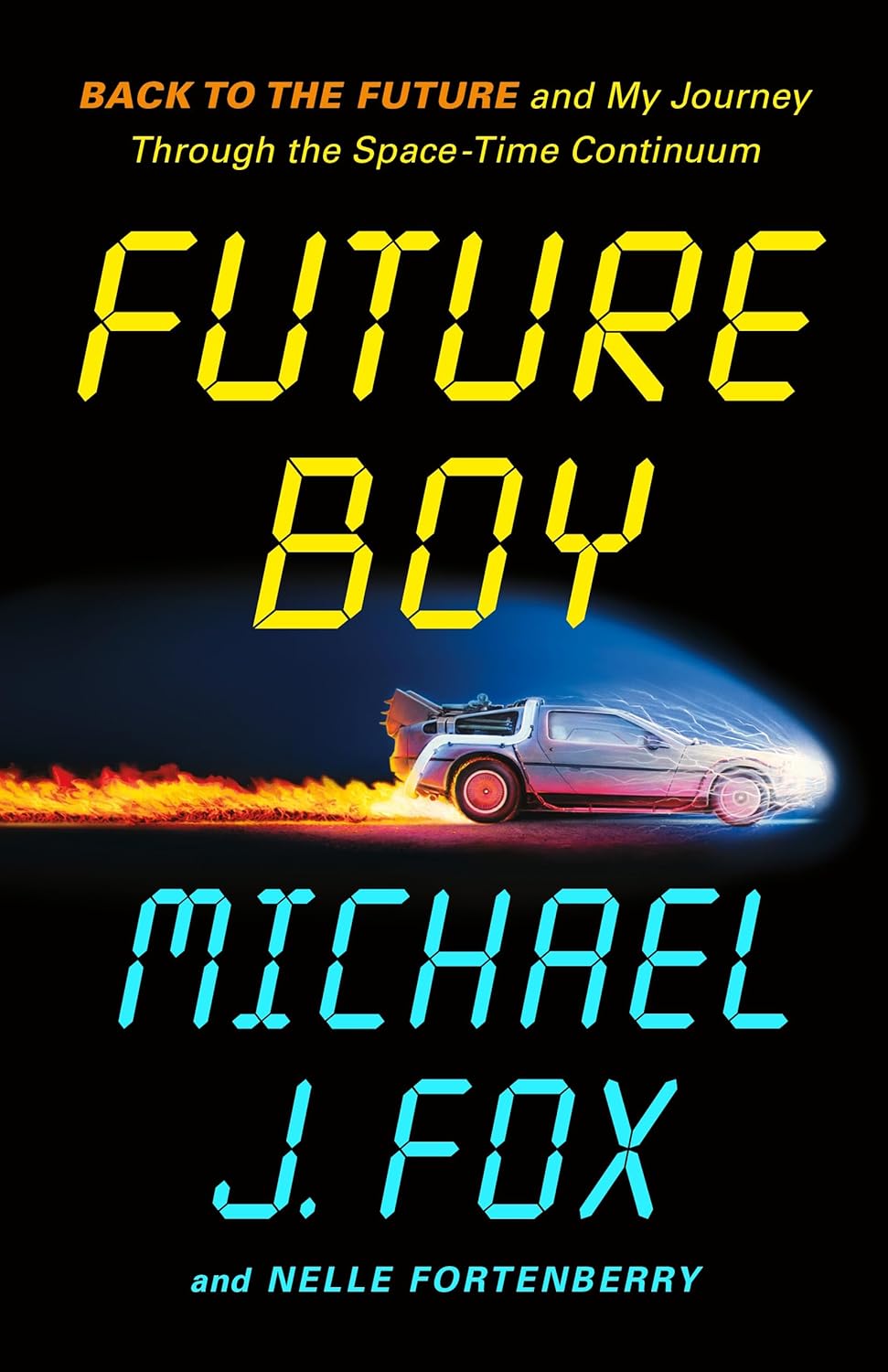
Future Boy: Back to the Future and My Journey Through the Space-Time Continuum
Michael J. Fox
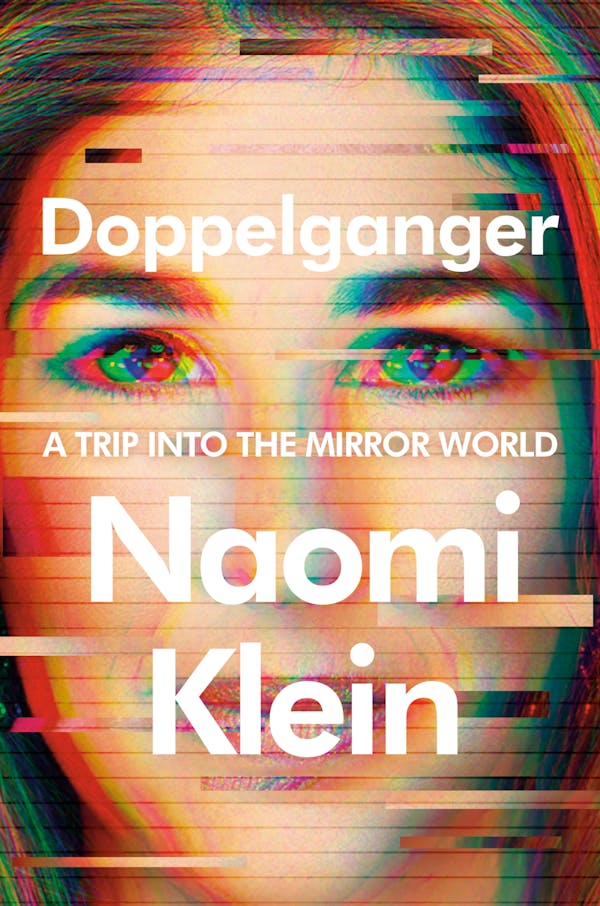
Doppelganger: A Trip into the Mirror World
Naomi Klein

The Many Lives of Mama Love: A Memoir of Lying, Stealing, Writing, and Healing
Lara Love Hardin

My Body
Emily Ratajkowski
