4
0
Support the library.
Your support helps keep books free for everyone ❤️
📍 Noticed
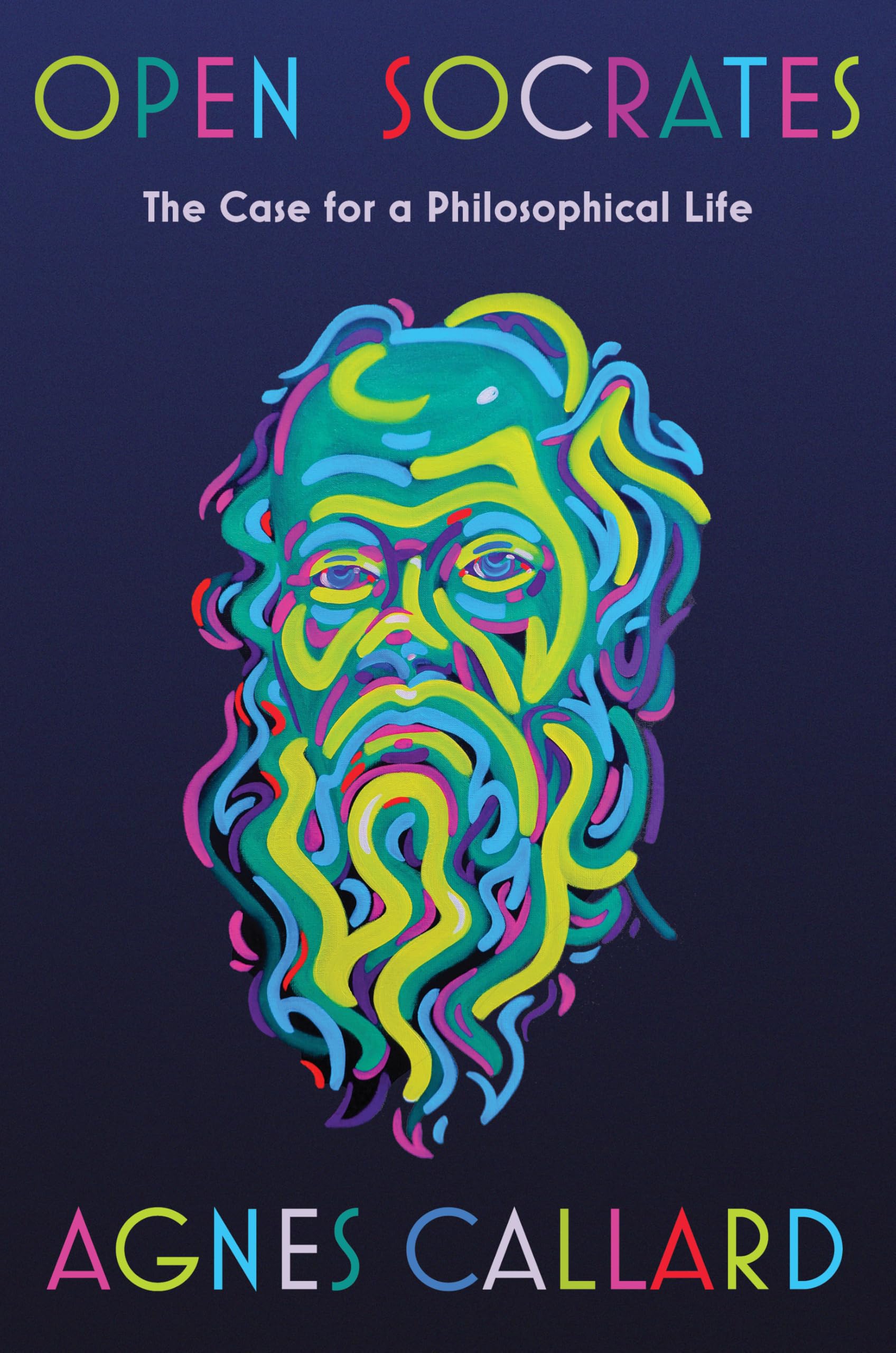
Open Socrates: The Case for a Philosophical Life
by Agnes Callard
Sponsored
Synopsis
A New York Times Book Review Editors' Choice
"[C]harming, intelligent…Open Socrates encourages us to recognize how little we know, and to start thinking." —Jennifer Szalai, New York Times
An iconoclastic philosopher revives Socrates for our time, showing how we can answer—and, in the first ...
"[C]harming, intelligent…Open Socrates encourages us to recognize how little we know, and to start thinking." —Jennifer Szalai, New York Times
An iconoclastic philosopher revives Socrates for our time, showing how we can answer—and, in the first ...
A New York Times Book Review Editors' Choice
"[C]harming, intelligent…Open Socrates encourages us to recognize how little we know, and to start thinking." —Jennifer Szalai, New York Times
An iconoclastic philosopher revives Socrates for our time, showing how we can answer—and, in the first place, ask—life’s most important questions.
Socrates has been hiding in plain sight. We call him the father of Western philosophy, but what exactly are his philosophical views? He is famous for his humility, but readers often find him arrogant and condescending. We parrot his claim that “the unexamined life is not worth living,” yet take no steps to live examined ones. We know that he was tried, convicted, and executed for “corrupting the youth,” but freely assign Socratic dialogues to today’s youths, to introduce them to philosophy. We’ve lost sight of what made him so dangerous. In Open Socrates, acclaimed philosopher Agnes Callard recovers the radical move at the center of Socrates’ thought, and shows why it is still the way to a good life.
Callard draws our attention to Socrates’ startling discovery that we don’t know how to ask ourselves the most important questions—about how we should live, and how we might change. Before a person even has a chance to reflect, their bodily desires or the forces of social conformity have already answered on their behalf. To ask the most important questions, we need help. Callard argues that the true ambition of the famous “Socratic method” is to reveal what one human being can be to another. You can use another person in many ways—for survival, for pleasure, for comfort—but you are engaging them to the fullest when you call on them to help answer your questions and challenge your answers.
Callard shows that Socrates’ method allows us to make progress in thinking about how to manage romantic love, how to confront one’s own death, and how to approach politics. In the process, she gives us nothing less than a new ethics to live by.
You May Also Like

The Untethered Soul: The Journey Beyond Yourself
Michael A. Singer

Biased: Uncovering the Hidden Prejudice That Shapes What We See, Think, and Do
Jennifer L. Eberhardt

Things We Found When the Water Went Down
Tegan Nia Swanson

Kill Your Friends
John Niven
The Cycle: Confronting the Pain of Periods and PMDD
Shalene Gupta
The History of Middle-earth (Boxed Set 4): Morgoth’s Ring, The War of the Jewels, The Peoples of Middle-earth & Index (The History of Middle-earth)
J.R.R. Tolkien
Philosophy Picks
View All
The Greatest Sentence Ever Written
Walter Isaacson

Slow Productivity: The Lost Art of Accomplishment Without Burnout
Cal Newport

After: A Doctor Explores What Near-Death Experiences Reveal about Life and Beyond
Bruce Greyson

When Everyone Knows That Everyone Knows...: Common Knowledge and the Mysteries of Money, Power, and Everyday Life
Steven Pinker

The Book of Hope: A Survival Guide for Trying Times
Jane Goodall

Nexus: A Brief History of Information Networks from the Stone Age to AI
Yuval Noah Harari
