
1
0
Support the library.
Your support helps keep books free for everyone ❤️
📍 Noticed
Poet in the New World: Poems, 1946–1953
by Czeslaw Milosz
Sponsored
Synopsis
A new collection of work from Nobel laureate Czeslaw Milosz that includes previously untranslated poems written during his time in Washington, D.C., and his years in Europe before and afterOne of the most revered poets of the twentieth century, Czeslaw Milosz famously bore witness to ...
A new collection of work from Nobel laureate Czeslaw Milosz that includes previously untranslated poems written during his time in Washington, D.C., and his years in Europe before and after
One of the most revered poets of the twentieth century, Czeslaw Milosz famously bore witness to its violence in his native Poland and in the war’s aftermath from exile in Europe and the United States. Immediately after the war, he lived in Washington, D.C., working as a diplomatic official, having left behind an old world stained by bloodshed and still in the throes of ideological conflict as he sought to find his bearings in a new world.
Poet in the New World gathers the poems written during these years—for the first time in English translation—and is contextualized by the poetry that came directly before and after, from poems written in Warsaw in 1945, shortly before he departed for the United States, to others written in Europe from 1951 to 1953, after his significant time away. Capturing Milosz at his existential and stylistic best, Poet in the New World is attuned to the necessity of imagination and the duty of language and is filled with wonder and skepticism. Milosz grapples with the extraordinary violence he had witnessed in Warsaw and the strange postwar United States he has inhabited, all while pondering the enduring fate of his beloved Poland. In the poem “Warsaw,” the poet asks, “How can I live in this country/Where the foot knocks against/the unburied bones of kin?”
Equal parts affecting and illuminating, Poet in the New World is an essential addition to the Milosz canon, in a beautifully rendered translation by Robert Hass and David Frick, that reverberates with the questions of histories past, present, and future.
One of the most revered poets of the twentieth century, Czeslaw Milosz famously bore witness to its violence in his native Poland and in the war’s aftermath from exile in Europe and the United States. Immediately after the war, he lived in Washington, D.C., working as a diplomatic official, having left behind an old world stained by bloodshed and still in the throes of ideological conflict as he sought to find his bearings in a new world.
Poet in the New World gathers the poems written during these years—for the first time in English translation—and is contextualized by the poetry that came directly before and after, from poems written in Warsaw in 1945, shortly before he departed for the United States, to others written in Europe from 1951 to 1953, after his significant time away. Capturing Milosz at his existential and stylistic best, Poet in the New World is attuned to the necessity of imagination and the duty of language and is filled with wonder and skepticism. Milosz grapples with the extraordinary violence he had witnessed in Warsaw and the strange postwar United States he has inhabited, all while pondering the enduring fate of his beloved Poland. In the poem “Warsaw,” the poet asks, “How can I live in this country/Where the foot knocks against/the unburied bones of kin?”
Equal parts affecting and illuminating, Poet in the New World is an essential addition to the Milosz canon, in a beautifully rendered translation by Robert Hass and David Frick, that reverberates with the questions of histories past, present, and future.
You May Also Like
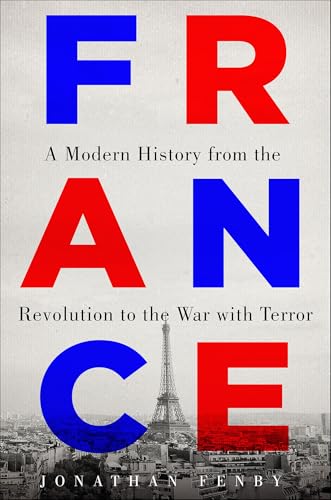
France: A Modern History from the Revolution to the War with Terror
Jonathan Fenby

The Islander: My Life in Music and Beyond
Chris Blackwell

The Boy Lost in the Maze
Joseph Coelho

Obitchuary: The Big Hot Book of Death
Spencer Henry
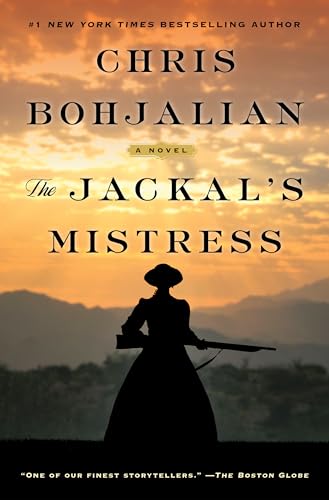
The Jackal's Mistress
Chris Bohjalian

Kielhofner's Model of Human Occupation: Theory and Application
Renaee R Taylor
Self Help Picks
View All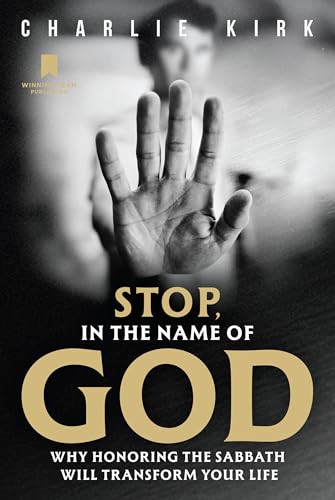
Stop, in the Name of God: Why Honoring the Sabbath Will Transform Your Life
Charlie Kirk
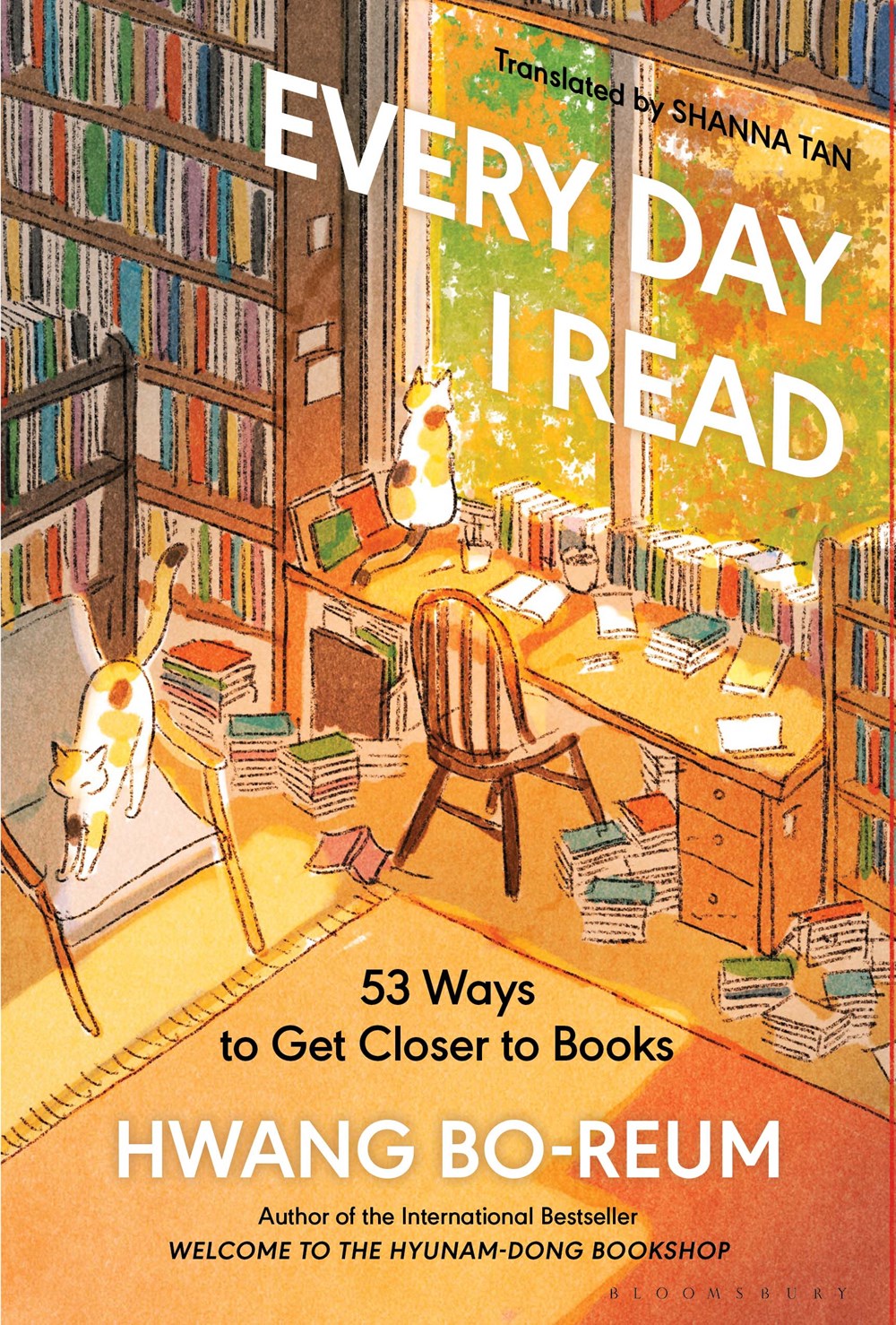
Every Day I Read: 53 Ways to Get Closer to Books
Hwang Bo-Reum

99 Ways to Die: And How to Avoid Them
Ashely Alker

How to Be Perfect: The Correct Answer to Every Moral Question
Michael Schur

Por si las voces vuelven
Ángel Martín

Stop Overthinking: 23 Techniques to Relieve Stress, Stop Negative Spirals, Declutter Your Mind, and Focus on the Present
Nick Trenton
