1
0
Support the library.
Your support helps keep books free for everyone ❤️
📍 Noticed
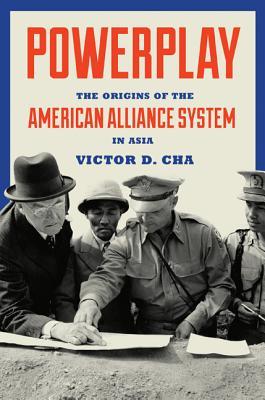
Powerplay: The Origins of the American Alliance System in Asia (Princeton Studies in International History and Politics)
by Victor Cha
Sponsored
Synopsis
While the American alliance system in Asia has been fundamental to the region's security and prosperity for seven decades, today it encounters challenges from the growth of China-based regional organizations. How was the American alliance system originally established in Asia, and is it currently ...
While the American alliance system in Asia has been fundamental to the region's security and prosperity for seven decades, today it encounters challenges from the growth of China-based regional organizations. How was the American alliance system originally established in Asia, and is it currently under threat? How are competing security designs being influenced by the United States and China? In Powerplay, Victor Cha draws from theories about alliances, unipolarity, and regime complexity to examine the evolution of the U.S. alliance system and the reasons for its continued importance in Asia and the world.
Cha delves into the fears, motivations, and aspirations of the Truman and Eisenhower presidencies as they contemplated alliances with the Republic of China, Republic of Korea, and Japan at the outset of the Cold War. Their choice of a bilateral "hub and spokes" security design for Asia was entirely different from the system created in Europe, but it was essential for its time. Cha argues that the alliance system's innovations in the twenty-first century contribute to its resiliency in the face of China's increasing prominence, and that the task for the world is not to choose between American and Chinese institutions, but to maximize stability and economic progress amid Asia's increasingly complex political landscape.
Exploring U.S. bilateral relations in Asia after World War II, Powerplay takes an original look at how global alliances are achieved and maintained.
Cha delves into the fears, motivations, and aspirations of the Truman and Eisenhower presidencies as they contemplated alliances with the Republic of China, Republic of Korea, and Japan at the outset of the Cold War. Their choice of a bilateral "hub and spokes" security design for Asia was entirely different from the system created in Europe, but it was essential for its time. Cha argues that the alliance system's innovations in the twenty-first century contribute to its resiliency in the face of China's increasing prominence, and that the task for the world is not to choose between American and Chinese institutions, but to maximize stability and economic progress amid Asia's increasingly complex political landscape.
Exploring U.S. bilateral relations in Asia after World War II, Powerplay takes an original look at how global alliances are achieved and maintained.
You May Also Like

The Thanksgiving Story
Alice Dalgliesh

The Knave and the Moon (Exclusive Edition)
Rachel Gillig

None of This Is True
Lisa Jewell

Death of a Poet: An Akitada Novel (Akitada Mysteries Book 24)
I. J. Parker

Rage of a Demon King: Book Three of the Serpentwar Saga
Raymond E. Feist

A Visual History of World Military Machines: Inside the World's Most Incredible Combat Machines (Fox Chapel Publishing) Legendary Vehicles - Spitfires, U-Boats, Humvees, Stealth Bombers, and More
Alex Harris
Science Picks
View All
Descent
Marko Kloos

Forest Euphoria: The Abounding Queerness of Nature
Patricia Ononiwu Kaishian

The Killing Time
Elly Griffiths

When Everyone Knows That Everyone Knows...: Common Knowledge and the Mysteries of Money, Power, and Everyday Life
Steven Pinker

Think Again: The Power of Knowing What You Don't Know
Adam M. Grant

Bewilderment
Richard Powers
