
5
0
Support the library.
Your support helps keep books free for everyone ❤️
📍 Noticed
The Power of Limits: Proportional Harmonies in Nature, Art, and Architecture
by György Doczi
Sponsored
Synopsis
One of the delights of life is the discovery and rediscovery of patterns of order and beauty in nature—designs revealed by slicing through a head of cabbage or an orange, the forms of shells and butterfly wings. These images are awesome not just for their beauty alone, but because they suggest an ...
One of the delights of life is the discovery and rediscovery of patterns of order and beauty in nature—designs revealed by slicing through a head of cabbage or an orange, the forms of shells and butterfly wings. These images are awesome not just for their beauty alone, but because they suggest an order underlying their growth, a harmony existing in nature. What does it mean that such an order exists; how far does it extend?
The Power of Limits was inspired by those simple discoveries of harmony. The author went on to investigate and measure hundreds of patterns—ancient and modern, minute and vast. His discovery, vividly illustrated here, is that certain proportions occur over and over again in all these forms. Patterns are also repeated in how things grow and are made—by the dynamic union of opposites—as demonstrated by the spirals that move in opposite directions in the growth of a plant.
The joining of unity and diversity in the discipline of proportional limitations creates forms that are beautiful to us because they embody the principles of the cosmic order of which we are a part; conversely, the limitlessness of that order is revealed by the strictness of its forms. The author shows how we, as humans, are included in the universal harmony of form, and suggests that the union of complementary opposites may be a way to extend that harmony to the psychological and social realms as well.
The Power of Limits was inspired by those simple discoveries of harmony. The author went on to investigate and measure hundreds of patterns—ancient and modern, minute and vast. His discovery, vividly illustrated here, is that certain proportions occur over and over again in all these forms. Patterns are also repeated in how things grow and are made—by the dynamic union of opposites—as demonstrated by the spirals that move in opposite directions in the growth of a plant.
The joining of unity and diversity in the discipline of proportional limitations creates forms that are beautiful to us because they embody the principles of the cosmic order of which we are a part; conversely, the limitlessness of that order is revealed by the strictness of its forms. The author shows how we, as humans, are included in the universal harmony of form, and suggests that the union of complementary opposites may be a way to extend that harmony to the psychological and social realms as well.
You May Also Like

Where Light Lingers (Soul Seekers)
Ashley Farley

Jade City (The Green Bone Saga Book 1)
Fonda Lee

Big Nate: Attack of the Cheez Funk Breath
Lincoln Peirce

The Fortunes of Jaded Women
Carolyn Huynh

Field Guide of All the Birds We Found One Year in the United States
Quentin Reiser

Pangea's Chosen: Rise of the Element Hero
Virgil A. Walker
Religion Picks
View All
Big Panda & Tiny Dragon
James Norbury

El loco de Dios en el fin del mundo
Javier Cercas
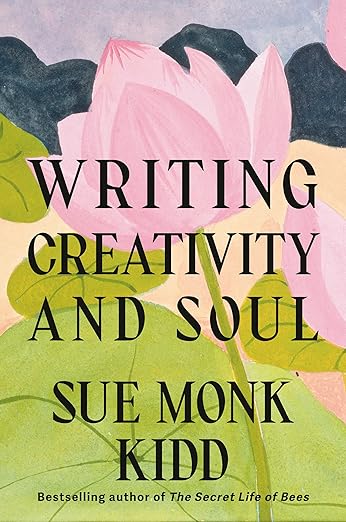
Writing Creativity and Soul
Sue Monk Kidd

Stop, in the Name of God: Why Honoring the Sabbath Will Transform Your Life
Charlie Kirk

Becoming Free Indeed: My Story of Disentangling Faith from Fear
Jinger Duggar Vuolo

Now and Not Yet: Pressing in When You’re Waiting Wanting and Restless for More
Ruth Chou Simons
