63
0
Support the library.
Your support helps keep books free for everyone ❤️
📍 Noticed
The Score: How to Stop Playing Somebody Else's Game
by C. Thi Nguyen
Sponsored
Synopsis
A philosophy of games to help us win back control over what we valueThe philosopher C. Thi Nguyen—one of the leading experts on the philosophy of games and the philosophy of data—takes us deep into the heart of games, and into the depths of bureaucracy, to see how scoring systems shape ...
A philosophy of games to help us win back control over what we value
The philosopher C. Thi Nguyen—one of the leading experts on the philosophy of games and the philosophy of data—takes us deep into the heart of games, and into the depths of bureaucracy, to see how scoring systems shape our desires.
Games are the most important art form of our era. They embody the spirit of free play. They show us the subtle beauty of action everywhere in life in video games, sports, and boardgames—but also cooking, gardening, fly-fishing, and running. They remind us that it isn’t always about outcomes, but about how glorious it feels to be doing the thing. And the scoring systems help get us there, by giving us new goals to try on.
Scoring systems are also at the center of our corporations and bureaucracies—in the form of metrics and rankings. They tell us exactly how to measure our success. They encourage us to outsource our values to an external authority. And they push on us to value simple, countable things. Metrics don’t capture what really matters; they only capture what’s easy to measure. The price of that clarity is our independence.
The Score asks us is this the game you really want to be playing?
The philosopher C. Thi Nguyen—one of the leading experts on the philosophy of games and the philosophy of data—takes us deep into the heart of games, and into the depths of bureaucracy, to see how scoring systems shape our desires.
Games are the most important art form of our era. They embody the spirit of free play. They show us the subtle beauty of action everywhere in life in video games, sports, and boardgames—but also cooking, gardening, fly-fishing, and running. They remind us that it isn’t always about outcomes, but about how glorious it feels to be doing the thing. And the scoring systems help get us there, by giving us new goals to try on.
Scoring systems are also at the center of our corporations and bureaucracies—in the form of metrics and rankings. They tell us exactly how to measure our success. They encourage us to outsource our values to an external authority. And they push on us to value simple, countable things. Metrics don’t capture what really matters; they only capture what’s easy to measure. The price of that clarity is our independence.
The Score asks us is this the game you really want to be playing?
You May Also Like

Conan the Conqueror
Robert E. Howard

Midnight Flyboys: The American Bomber Crews and Allied Secret Agents Who Aided the French Resistance in World War II
Bruce Henderson

Pete the Cat Goes Camping: A Fun Nature Story for Children (Ages 4-8) (I Can Read Level 1)
James Dean
The Music Box
Heather Meyer

Good Joy, Bad Joy
Mikki Brammer
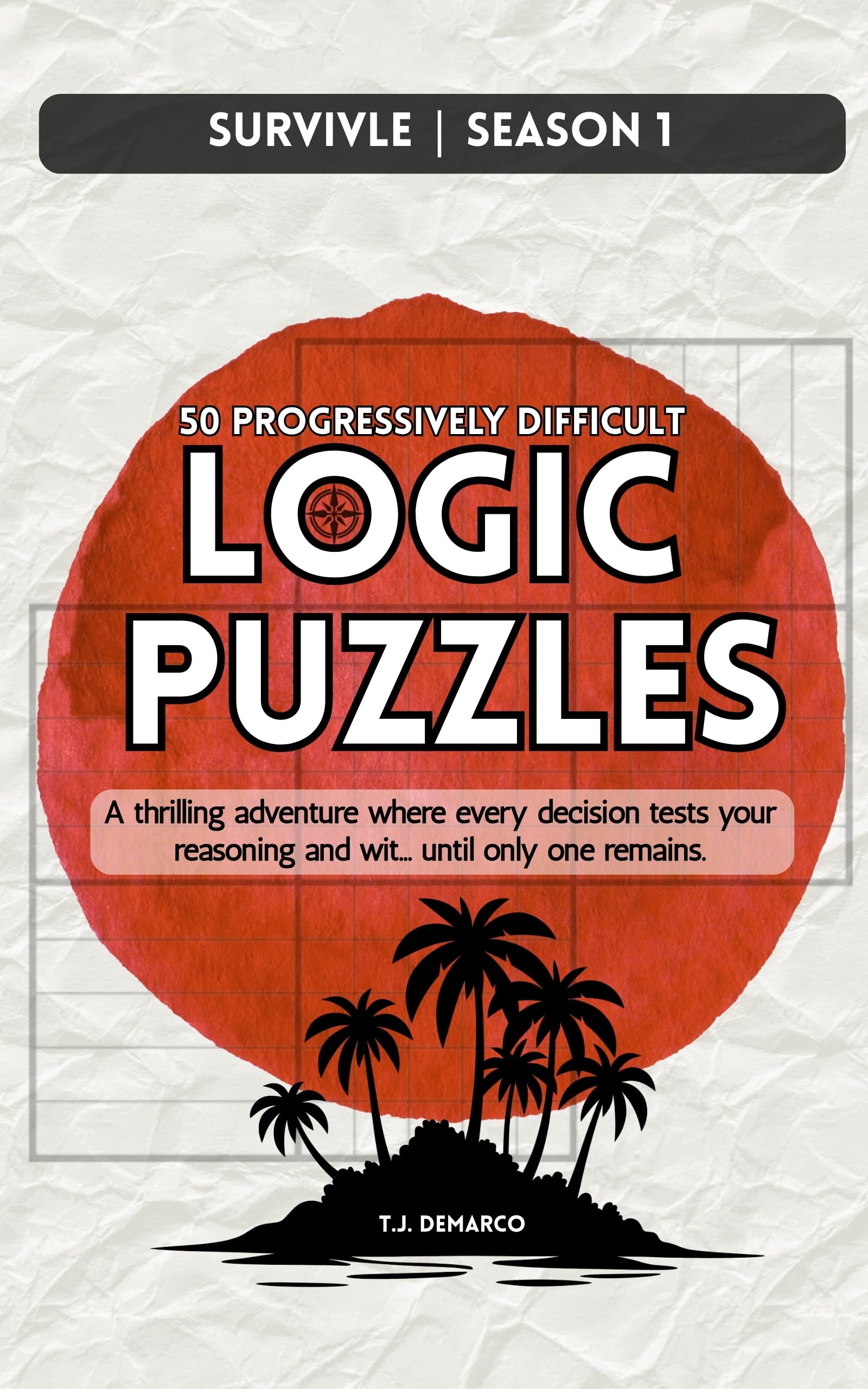
Survivle Season 1: 50 Brain Bending Logic Grid Puzzles For Adults and Teens with Progressive Difficulty (Survivle Logic Puzzle Books)
TJ DeMarco