5
0
Support the library.
Your support helps keep books free for everyone ❤️
📍 Noticed
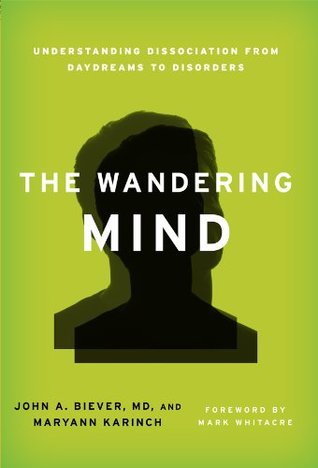
The Wandering Mind: Understanding Dissociation from Daydreams to Disorders
by John A. Biever
Sponsored
Synopsis
Have you ever had a daydream? If so, you've had a dissociative experience. The same is true if you've had an out-of-body moment or thought you were somewhere else as you drifted off to sleep. These are seemingly harmless and temporary dissociations. But further down the spectrum of such ...
Have you ever had a daydream? If so, you've had a dissociative experience. The same is true if you've had an out-of-body moment or thought you were somewhere else as you drifted off to sleep. These are seemingly harmless and temporary dissociations. But further down the spectrum of such experiences, you find people actually traveling to a strange city and suddenly not remembering how they got there. You also find people with multiple personalities and other disordered thinking.
In The Wandering Mind, Dr. John Biever and co-author Maryann Karinch use the stories of people all along the spectrum of dissociative conditions--from those who are "perfectly normal" to those diagnosed with Dissociative Identity Disorder--to expose the natures and functions of dissociation. Their lives and stories serve as a way of exploring chronic dissociation and the trek back to good mental health.
The authors look closely at what signs and symptoms indicate normal, everyday dissociation, and those that indicate a more serious problem. While daydreamers may not meet the criteria for diagnosis, trauma victims who relive their nightmares in real time may require both diagnosis and treatment. The authors also delve into the phenomenon of deliberate dissociation, such as Buddhist monks in meditation. And they take a close look at the process of diagnosing a dissociative disorder as well as factors that put patients on the road to reintegration and recovery.
In The Wandering Mind, Dr. John Biever and co-author Maryann Karinch use the stories of people all along the spectrum of dissociative conditions--from those who are "perfectly normal" to those diagnosed with Dissociative Identity Disorder--to expose the natures and functions of dissociation. Their lives and stories serve as a way of exploring chronic dissociation and the trek back to good mental health.
The authors look closely at what signs and symptoms indicate normal, everyday dissociation, and those that indicate a more serious problem. While daydreamers may not meet the criteria for diagnosis, trauma victims who relive their nightmares in real time may require both diagnosis and treatment. The authors also delve into the phenomenon of deliberate dissociation, such as Buddhist monks in meditation. And they take a close look at the process of diagnosing a dissociative disorder as well as factors that put patients on the road to reintegration and recovery.
You May Also Like

De donkere kamer van Damokles
Willem Frederik Hermans

Nike SB: The Dunk Book
Nike SB

The Last Emperox
John Scalzi

Newton's Principia for the Common Reader
Subrahmanyan Chandrasekhar

The Prince and the Pauper (Great Illustrated Classics)
Shirley Bogart

Ryan Retribution: A Dark Mafia romance (New York Ruthless Book 3)
Sadie Kincaid
Cookbooks Picks
View All
Enough Already: Learning to Love the Way I Am Today
Valerie Bertinelli

So Easy So Good: Delicious Recipes and Expert Tips for Balanced Eating
Kylie Sakaida

Food Person
Adam D. Roberts

RecipeTin Eats Dinner
Nagi Maehashi

Bite by Bite: Nourishments and Jamborees
Aimee Nezhukumatathil

The Pegan Diet: 21 Practical Principles for Reclaiming Your Health in a Nutritionally Confusing World
Mark Hyman
