94
0
Support the library.
Your support helps keep books free for everyone ❤️
Sponsored
Synopsis
Yiyun Li’s remarkable, defiant work of radical acceptance as she considers the loss of her son James.“There is no good way to say this,” Yiyun Li writes at the beginning of this book.“There is no good way to state these facts, which must be acknowledged. My husband ...
Yiyun Li’s remarkable, defiant work of radical acceptance as she considers the loss of her son James.
“There is no good way to say this,” Yiyun Li writes at the beginning of this book.
“There is no good way to state these facts, which must be acknowledged. My husband and I had two children and lost them Vincent in 2017, at sixteen, James in 2024, at nineteen. Both chose suicide, and both died not far from home.”
There is no good way to say this—because words fall short. It takes only an instant for death to become fact, “a single point in a timeline.” Living now on this single point, Li turns to thinking and reasoning and searching for words that might hold a place for James. Li does what she “doing the things that work,” including not just writing but gardening, reading Camus and Wittgenstein, learning the piano, and living thinkingly alongside death.
This is a book for James, but it is not a book about grieving or mourning. As Li writes, “The verb that does not die is to be. Vincent was and is and will always be Vincent. James was and is and will always be James. We were and are and will always be their parents. There is no now and then, now and later, only, now and now and now and now.” Things in Nature Merely Grow is a testament to Li’s indomitable spirit.
“There is no good way to say this,” Yiyun Li writes at the beginning of this book.
“There is no good way to state these facts, which must be acknowledged. My husband and I had two children and lost them Vincent in 2017, at sixteen, James in 2024, at nineteen. Both chose suicide, and both died not far from home.”
There is no good way to say this—because words fall short. It takes only an instant for death to become fact, “a single point in a timeline.” Living now on this single point, Li turns to thinking and reasoning and searching for words that might hold a place for James. Li does what she “doing the things that work,” including not just writing but gardening, reading Camus and Wittgenstein, learning the piano, and living thinkingly alongside death.
This is a book for James, but it is not a book about grieving or mourning. As Li writes, “The verb that does not die is to be. Vincent was and is and will always be Vincent. James was and is and will always be James. We were and are and will always be their parents. There is no now and then, now and later, only, now and now and now and now.” Things in Nature Merely Grow is a testament to Li’s indomitable spirit.
You May Also Like
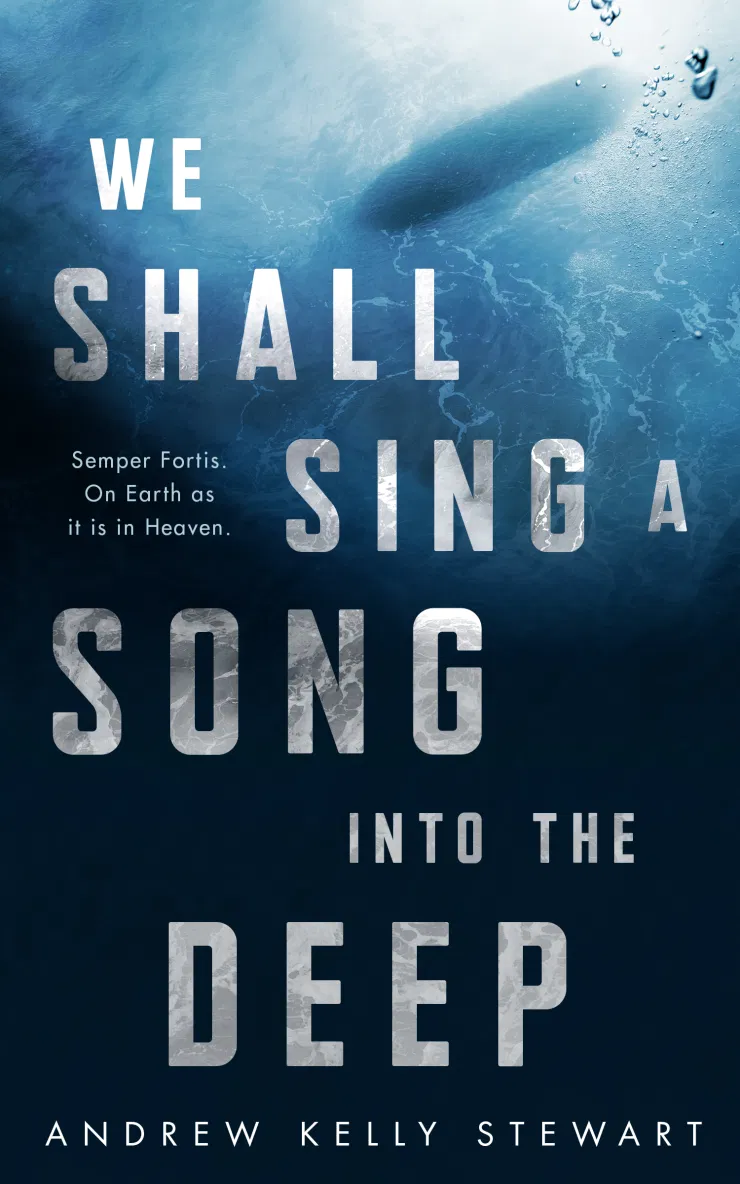
We Shall Sing a Song Into the Deep
Andrew Kelly Stewart

Messi vs. Ronaldo: One Rivalry, Two GOATs, and the Era That Remade the World's Game
Joshua Robinson

Dancer from the Dance
Andrew Holleran
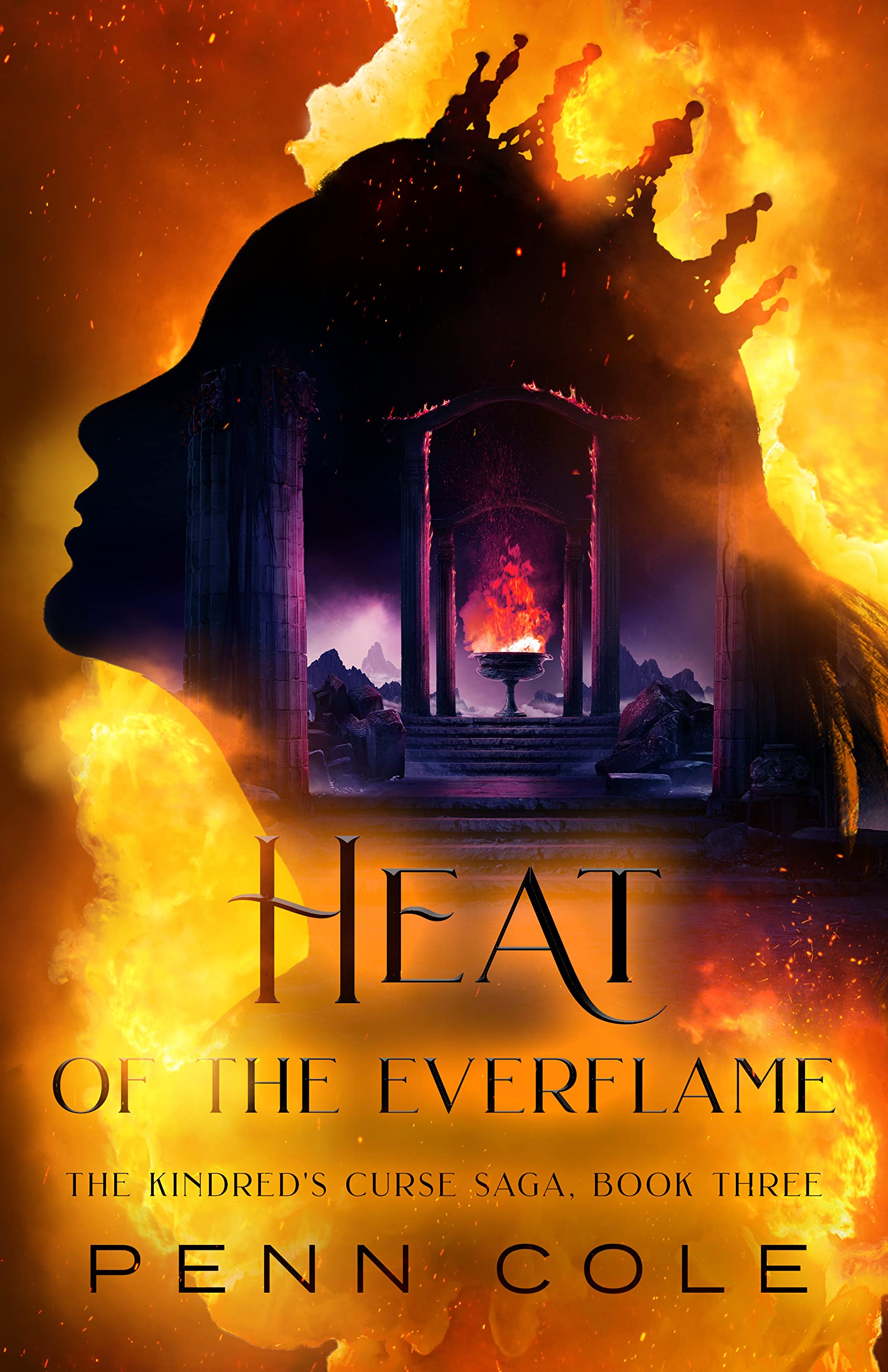
Heat of the Everflame: The Kindred's Curse Saga, Book Three
Penn Cole

Elbow Room: The Varieties of Free Will Worth Wanting
Daniel C. Dennett
Handbook of Research-Based Practice in Early Education
D. Ray Reutzel